











Security teams can only defend what they can see. Untracked devices, unknown endpoints, and assets without clear ownership are active security risks. The best Hardware Asset Management for security teams goes beyond basic inventory: it delivers complete visibility over every device, its lifecycle status, who owns it, and whether it meets the organization's security baseline.
This article covers five platforms worth evaluating, from purpose-built ITAM tools to cybersecurity-native asset intelligence platforms. Each addresses a different angle of the same core problem: knowing exactly what hardware exists, where it is, and whether it is secure.
For security teams, Hardware Asset Management is the foundation for endpoint coverage validation, vulnerability prioritization, compliance evidence, and incident response. When an alert fires, the first questions are: what is this device, who owns it, and what does it run?
A platform that answers those questions automatically, without manual searches across spreadsheets and ticketing systems, is what separates security teams that react from those that act. Without that foundation, every alert takes longer to triage and every audit requires manual data compilation.

InvGate Asset Management is an enterprise-grade IT Asset Management platform that gives security teams the hardware visibility they need without the implementation complexity and cost that enterprise tools typically carry. It is no-code, scalable, and customizable, with transparent pricing, built-in automations, AI capabilities, and multiple deployment options including cloud (SaaS) and on-premises with full feature parity.
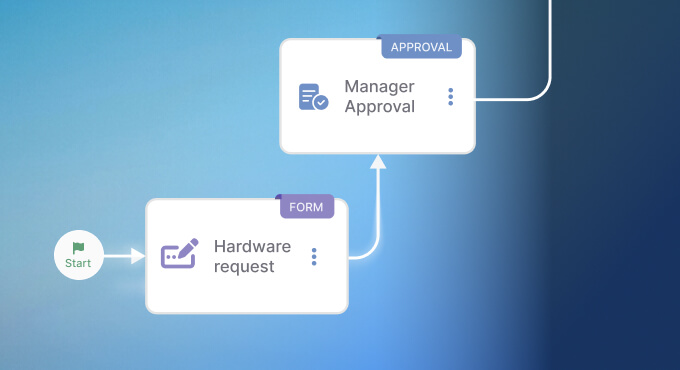
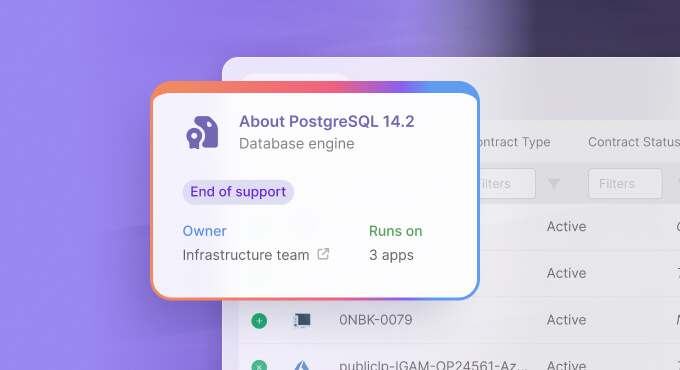
For security teams specifically, InvGate Asset Management provides an updated hardware inventory, complete lifecycle tracking, and hardware health monitoring that surfaces the state of every managed device. Here are five capabilities that make it relevant for security operations:
Start a 30-day free trial or talk to Sales to find the right plan. Both options include access to the full platform from day one.
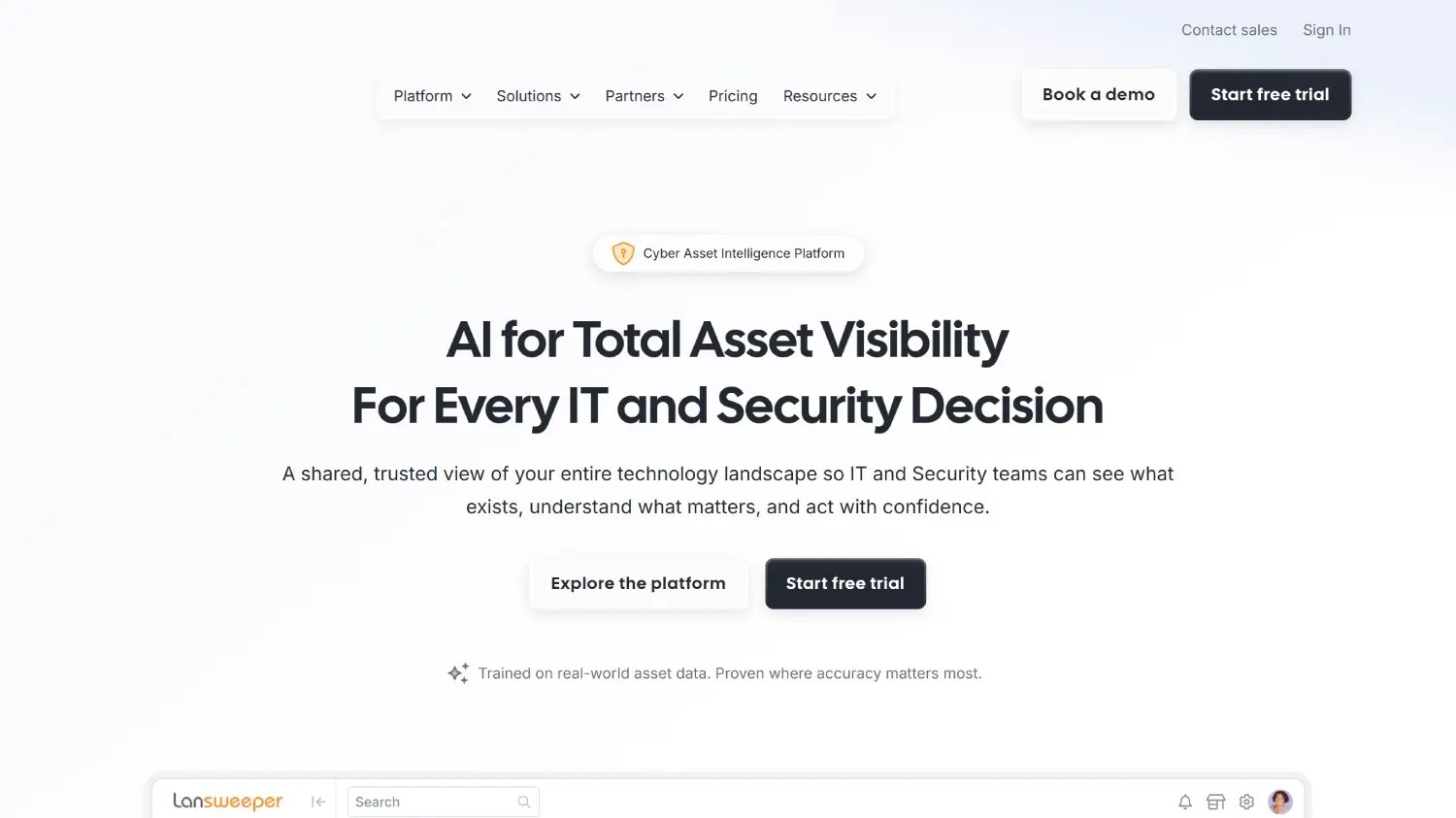
According to Lansweeper's official website, Lansweeper is a cyber asset intelligence platform built around agentless network discovery. It continuously scans IT, OT, and cloud environments to surface every connected device, including unmanaged endpoints, rogue hardware, and network equipment, without requiring agents on each device. For security teams, its value is eliminating blind spots: every device that appears on the network is detected and inventoried automatically.
Per Lansweeper's pricing page, the Starter plan begins at $239 per month billed annually for 2,000 assets. A free tier for up to 100 assets is available after the trial ends.
According to Axonius's official website, Axonius is a cybersecurity Asset Management platform that aggregates data from 1,400+ integrations across devices, identities, SaaS, software, cloud, IoT, and OT into a single continuously reconciled asset model. For security teams, it surfaces coverage gaps automatically, identifying devices missing endpoint agents, vulnerability scanners, or SSO controls before they become incidents. Bi-directional integrations push fixes, enrich CMDBs, and trigger tickets across existing security tooling.
Axonius does not publicly list pricing. Prospective customers are directed to contact the sales team for a custom quote.
According to ServiceNow's official Hardware Asset Management page, ServiceNow HAM automates the hardware lifecycle from procurement to disposal using the CMDB (Configuration Management Database) as a single source of truth. CMDB dependency mapping gives immediate context when an asset is involved in an incident, and the GRC (Governance, Risk and Compliance) module connects asset data to compliance frameworks and audit workflows.
ServiceNow is designed for enterprise organizations already on the platform. Pricing is not publicly listed and requires a custom quote.
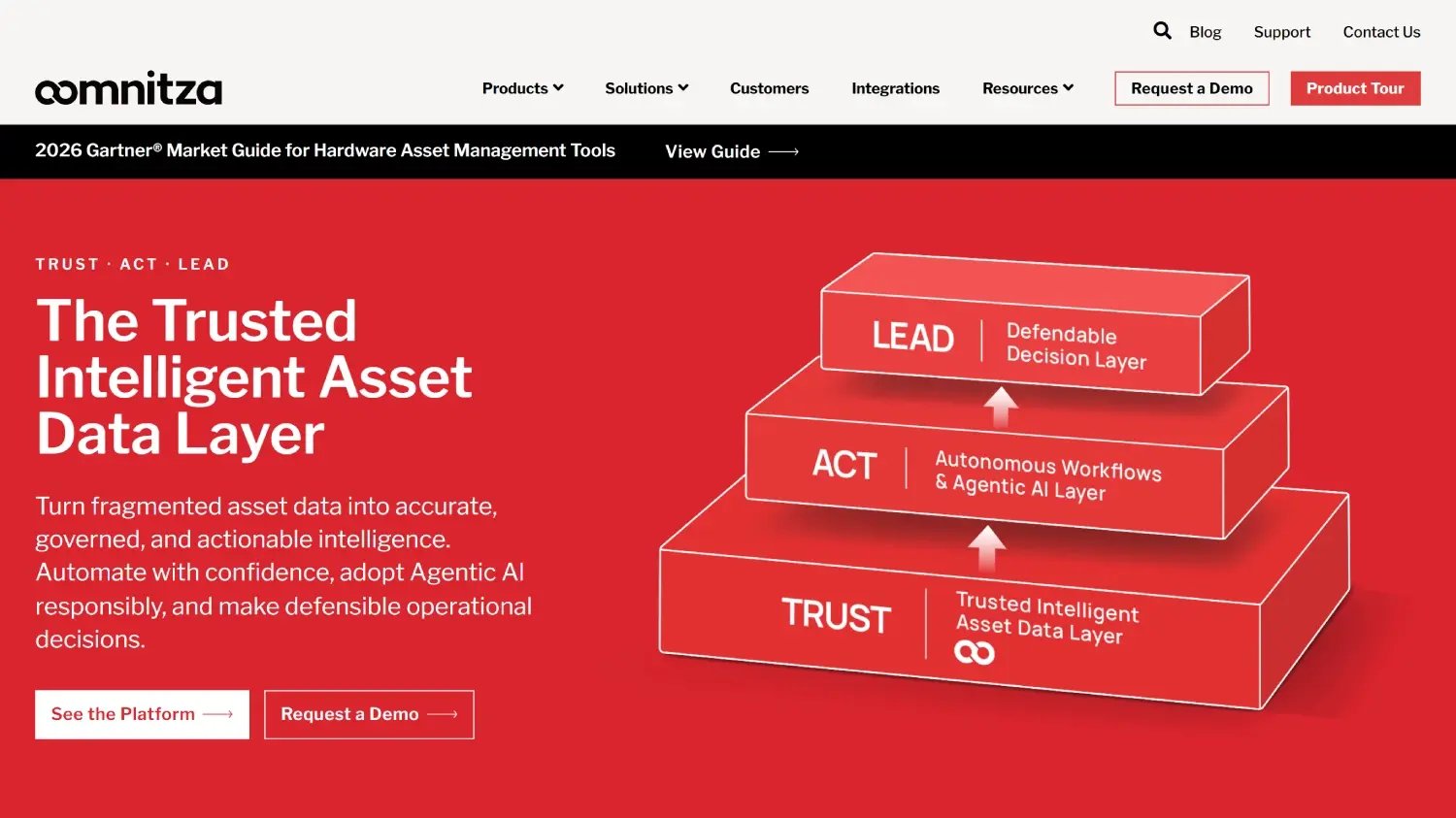
According to Oomnitza's official website, Oomnitza is a modern enterprise technology management platform recognized as a Representative Vendor in the 2026 Gartner Market Guide for Hardware Asset Management Tools. It delivers unified hardware, software, SaaS, and cloud asset visibility through agentless discovery and 1,500+ pre-built integrations. Its IT audit readiness automation and lifecycle workflows reduce the manual effort that typically precedes compliance reviews and security audits.
Oomnitza does not publicly list pricing. Prospective customers are directed to contact the sales team for a custom quote.
The best Hardware Asset Management for security teams depends on whether the primary need is ITAM depth, cybersecurity-native asset intelligence, or enterprise compliance. Axonius is purpose-built for security teams that need coverage gap detection and cross-tool orchestration. Lansweeper covers teams that need broad agentless discovery with minimal setup. ServiceNow suits large organizations with CMDB and GRC requirements. Oomnitza suits teams that need audit readiness automation across a complex asset landscape.
For security teams that want enterprise-grade hardware visibility, lifecycle tracking, health monitoring, and AI-powered risk intelligence without enterprise complexity, InvGate Asset Management is built for exactly that. It delivers the depth security operations require at a price point and deployment model that doesn't require a dedicated implementation project to get running.
Disclaimer: All product names, logos, and brands are property of their respective owners. All company, product, and service names used on this site are for identification purposes only. Use of these names, trademarks, and brands does not imply endorsement. Comparisons are based on publicly available information as of June 2026 and are provided for informational purposes only. ServiceNow is a registered trademark of ServiceNow, Inc. InvGate is not affiliated with, sponsored by, or endorsed by ServiceNow.


