









ServiceNow® is a leading IT Service Management (ITSM) platform designed for complex, global organizations. While it's a powerful solution for enterprise-level operations, many companies explore alternatives that better align with their specific needs, budget, and organizational size.
In this guide, we compare the top ServiceNow alternatives, including InvGate Service Management, highlighting features, pricing, and review scores so you can choose the right fit.
Methodology note: InvGate builds ITSM and ITAM software, so we compete with some of the vendors covered here. Still, we aim to keep this comparison factual and sourced. Our evaluations draw from publicly available sources — vendor websites, product documentation, and user reviews on platforms like Gartner Peer Insights. We assess each solution based on functionality, pricing (where made public), integrations, and user experience.
Updated: October 2026.
ServiceNow can support complex enterprise requirements, but its pricing model, implementation approach, and product structure can lead some organizations to evaluate alternatives. Three considerations commonly come up during that process.
In this list, you'll find a side-by-side overview of some of the most widely used ServiceNow alternatives. We’ll go over what they’re known for, which features stand out, and what real users have to say.
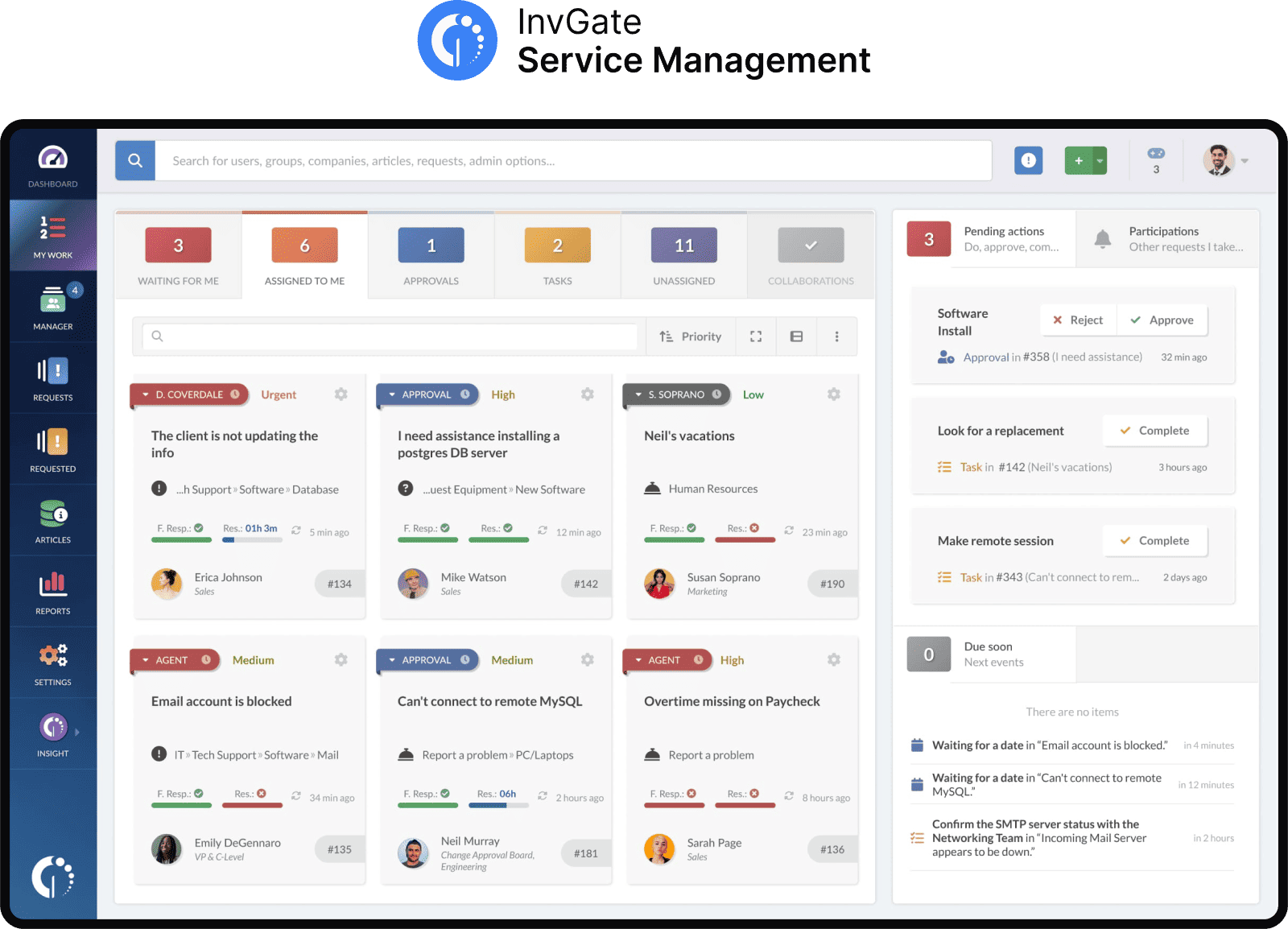
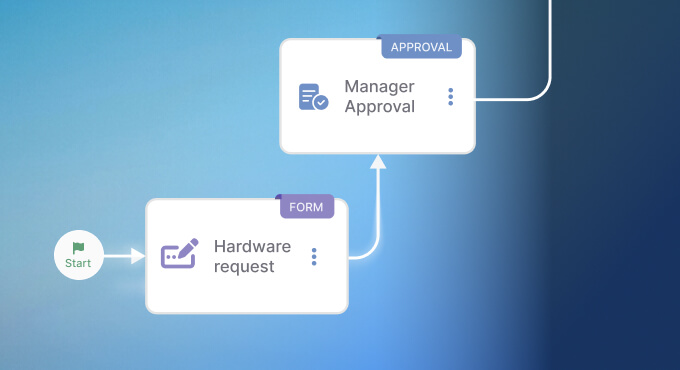
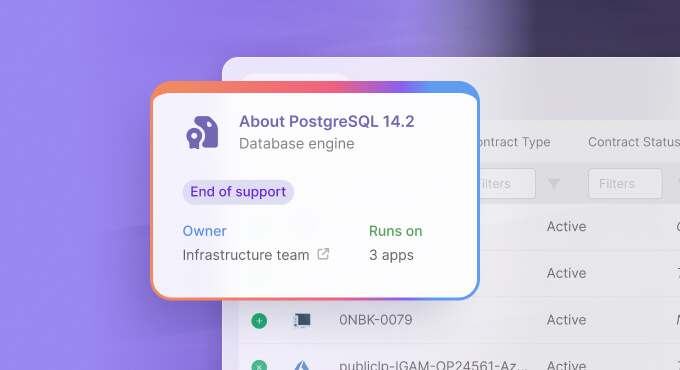
InvGate Service Management is a no-code ITSM platform designed for organizations that want enterprise-grade functionality without the high costs and long deployments associated with ServiceNow. With fast implementation timelines measured in weeks (not years), modular pricing, and native integration with IT Asset Management, it offers a powerful yet cost-effective alternative.
It's used by teams at NASA, KPMG, Allianz, and Motorola, often as a more practical alternative to ServiceNow. Where ServiceNow can feel overwhelming, InvGate focuses on usability, faster setup, and solid ITIL alignment without the overhead.
Gartner Peer Insights score: 4.8/5 (2025 Customers’ Choice: 4.9/5 across 73 reviews, 94% willing to recommend).
InvGate uses a modular pricing model that scales with the number of agents, making it adaptable to organizations of different sizes and growth stages.
All prices are subject to change and provided for informational purposes only. Final pricing depends on a formal evaluation; a signed quote from an authorized Sales Representative is required for all binding agreements.
Companies can explore the platform with a 30-day free trial and even run a tailored Proof of Concept. This approach helps de-risk your evaluation, giving you hands-on experience with real processes before committing. For teams comparing alternatives, speaking with an InvGate specialist can further fast-track the assessment and ensure the solution aligns with your specific requirements.
TroGroup, a global manufacturing company with around 1,900 employees across 40+ locations, was struggling with complex, siloed processes and limited visibility using ServiceNow. Their IT teams lacked the agility and transparency needed to support a growing global operation.
By migrating to InvGate Service Management, TroGroup centralized their support processes with a fully adopted self-service portal and reduced their critical incident backlog by 90%, all without writing a single line of code.
To explore how InvGate empowered TroGroup’s global IT transformation — and how it could do the same for your organization — read the full case study or speak with one of our specialists.

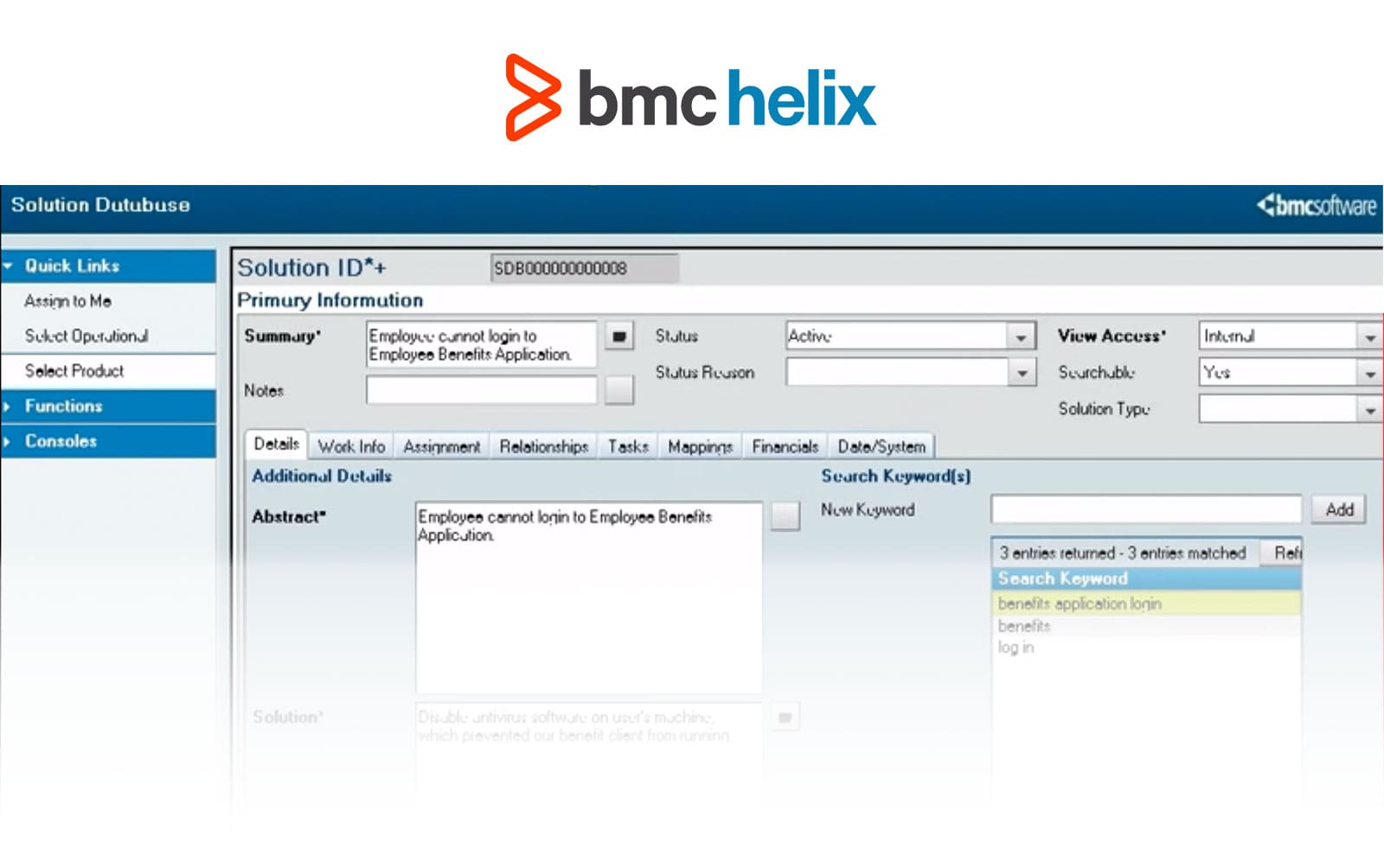
BMC Helix offers extensive configurability and deep ITIL alignment, serving industries with strict compliance and security requirements. It has a proven track record with large enterprises in regulated sectors (finance, healthcare, government).
Gartner Peer Insights score: 4.3/5 on the IT Service Management Platforms market.
Pros: Enterprise-grade depth; proven in finance, healthcare, and government; highly configurable.
Cons: Complexity and implementation effort are significant; costs can climb when the product is bought outside a broader BMC bundle; some users report integration friction with external tooling.
BMC does not publish pricing; contracts are enterprise-level and tailored per customer. See the official product page and request a quote. Checked October 2026.
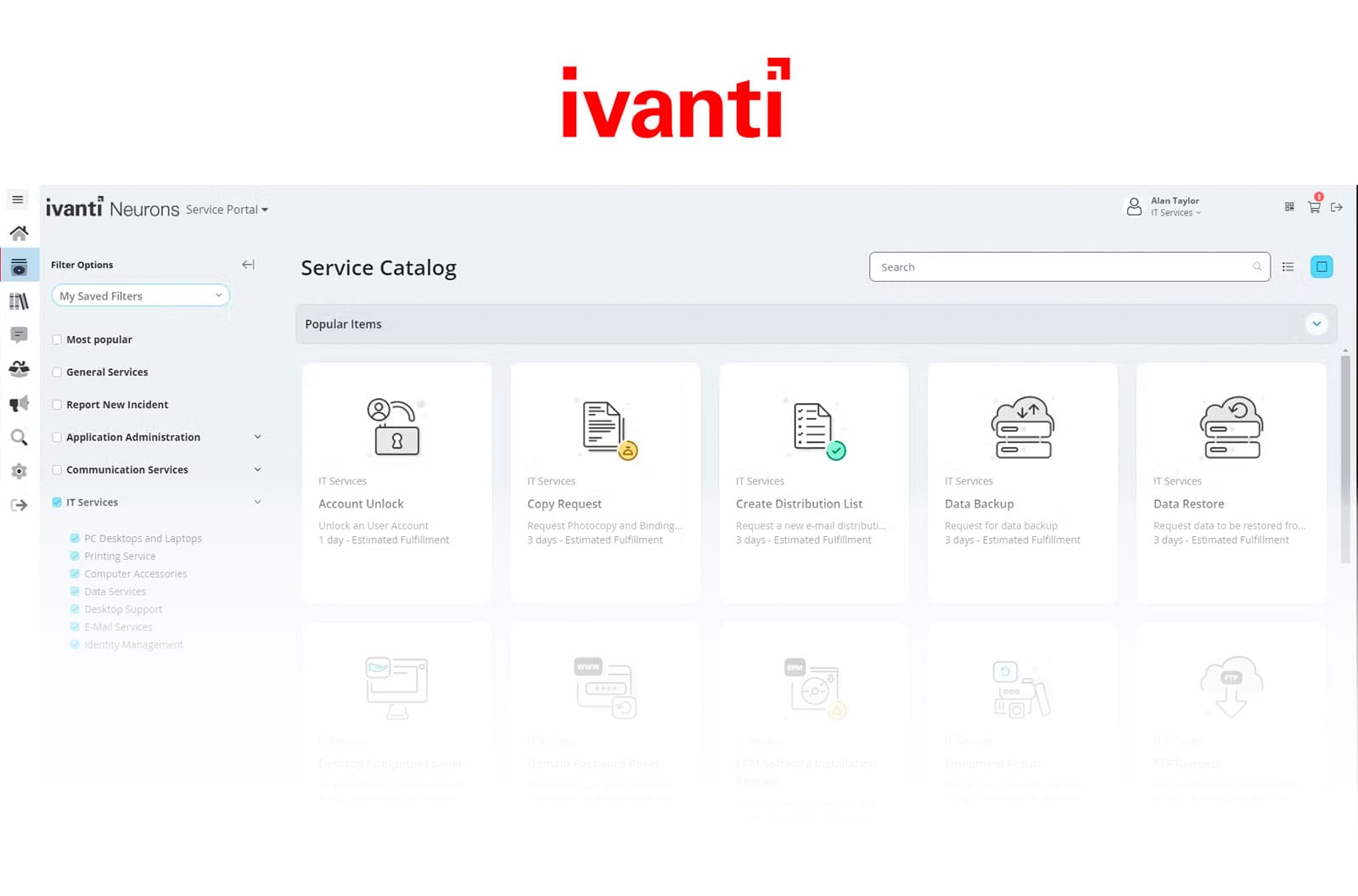 Ivanti Neurons for ITSM is an enterprise-capable platform built on 14 ITIL practices, and it’s a natural fit for organizations that want their service desk tied closely to endpoint, patch, and asset management across the wider Ivanti Neurons stack.
Gartner Peer Insights score: 4.1/5 on the IT Service Management Platforms market.
Pros: Deep configurability; strong when paired with Ivanti’s endpoint and asset tooling; enterprise scale.
Cons: Steeper learning curve for teams new to the platform; reporting customization can require extra setup; pricing isn’t transparent.
Ivanti doesn’t publish list pricing; Neurons for ITSM is quote-based and typically licensed per agent per year, with separate licensing for additional Neurons modules. See the official product page for a quote. Checked October 2026.
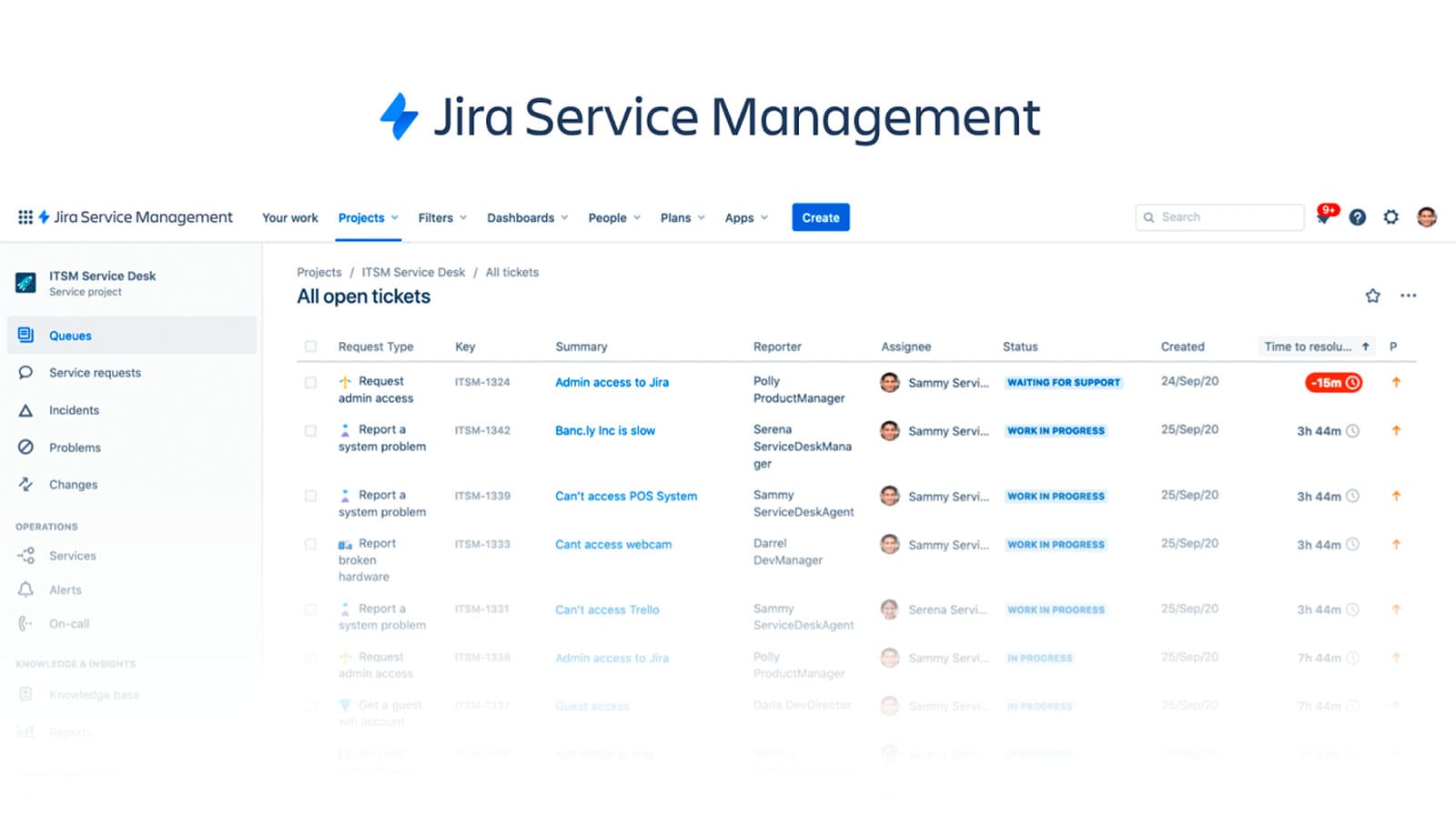 Jira Service Management (JSM) extends the popular Jira platform into IT Service Management, making it a natural choice for teams already using Atlassian tools like Jira Software or Confluence. It appeals to organizations looking for tight integration with development workflows, agile project tracking, and DevOps pipelines.
Gartner Peer Insights score: 4.4/5 on the IT Service Management Platforms market.
Pros: Excellent fit for existing Atlassian shops; strong automation; agile and DevOps alignment.
Cons: Advanced ITIL capabilities (change, advanced incident) require the Premium tier; Assets and virtual-agent overages, plus SSO via Atlassian Guard, add to the real cost; non-Atlassian teams face a steeper setup.
Billed annually; per-agent pricing is volume-tiered. Checked October 2026 — official pricing.
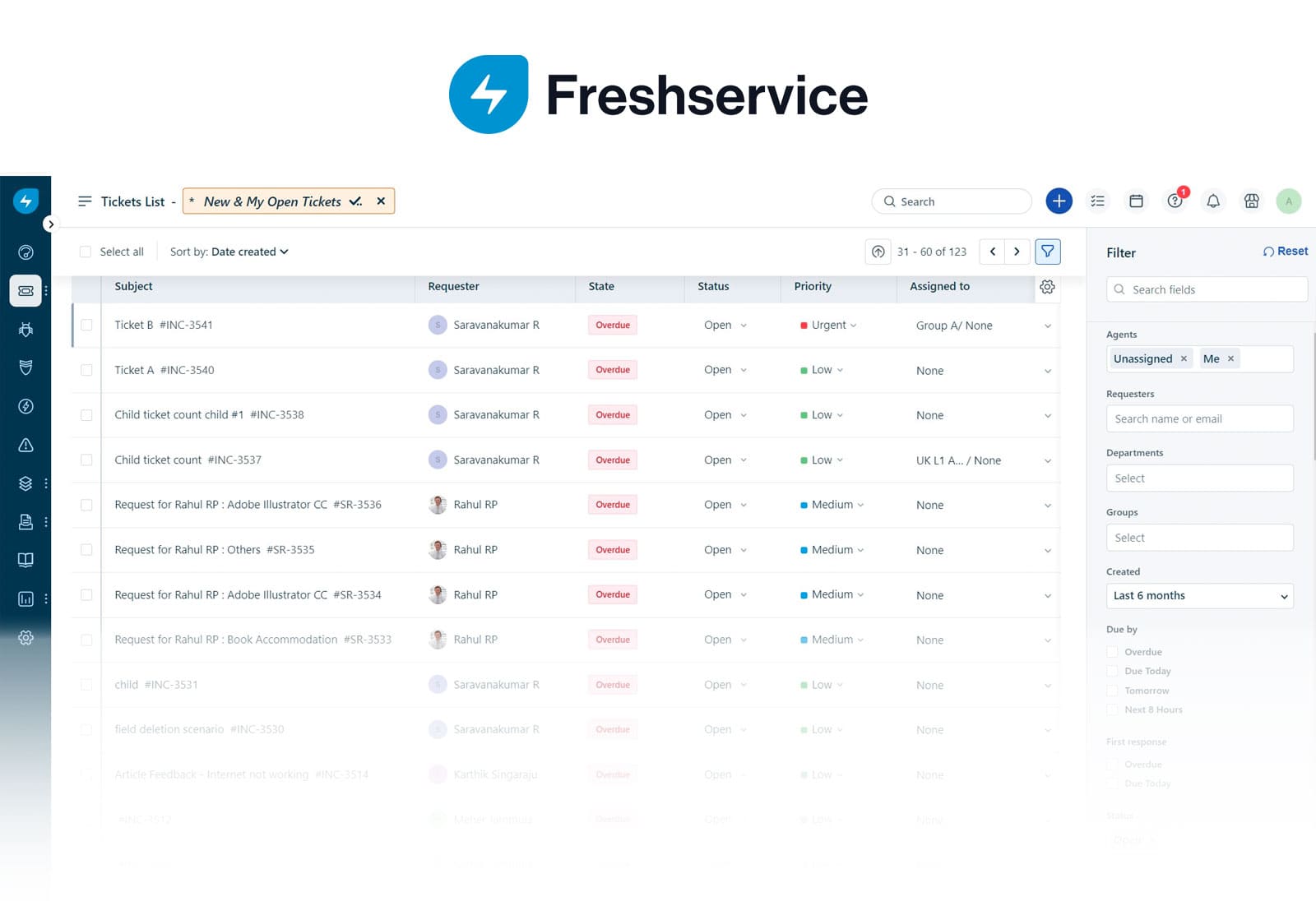
Freshservice, from Freshworks, is a cloud ITSM tool aimed at small and mid-sized organizations that want a modern, intuitive interface and quick adoption without heavy overhead. It’s a common first step up from a basic help desk, and a frequent point of comparison with ServiceNow. Read more in the ServiceNow vs FreshService article.
Gartner Peer Insights score: 4.4/5 on the IT Service Management Platforms market.
Here are five standout features of Freshservice, taken straight from the official documentation (accessed November 2025):
Pros: Fast to adopt; clean, modern interface; good fit for SMBs and education.
Cons: Costs climb as you add tiers and modules; asset packs, Freddy AI Copilot, and orchestration/discovery are priced separately, so the entry price understates a full deployment.
Freshservice has four main pricing tiers (billed annually):
Notable add-ons:
Checked October 2026 — official pricing.
6. ManageEngine ServiceDesk Plus
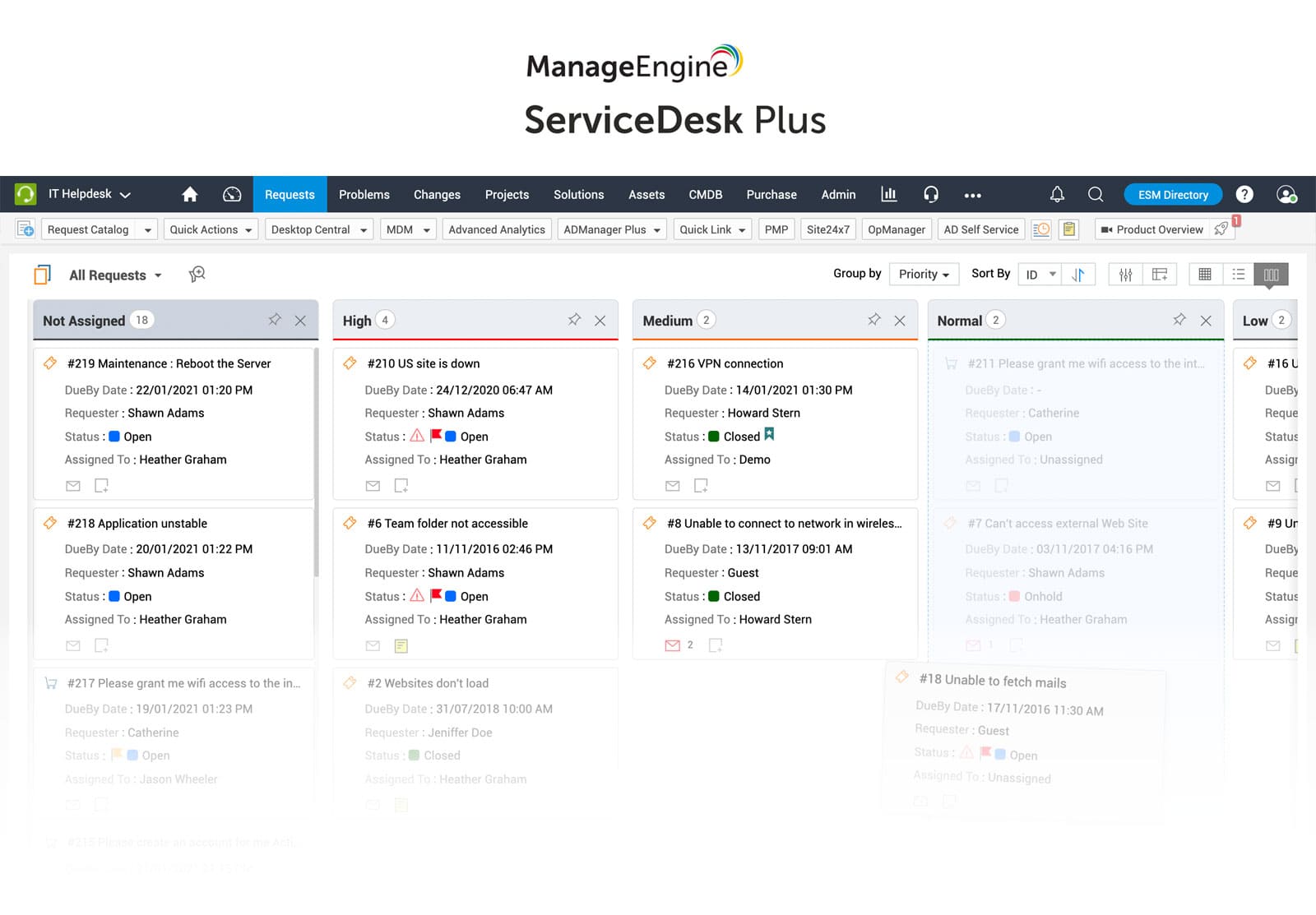
ManageEngine ServiceDesk Plus, part of Zoho’s IT operations suite, is a practical ITSM option for mid-sized organizations, with both cloud and on-premise deployment. It’s common in education, healthcare, and the public sector, and we cover it in depth in our ManageEngine vs. ServiceNow comparison.
Gartner Peer Insights score: 4.4/5 on the IT Service Management Platforms market.
Pros: Strong value for mid-market teams; cloud or on-premise; broad process coverage.
Cons: Advanced features and integrations push costs up; the interface can feel dated next to newer tools; perpetual on-premise licensing is a separate model to weigh.
Their pricing is based on agents and chosen modules, with perpetual licenses for on-premise deployments or subscription pricing for cloud.
- Checked on: October 2026 (US), official website.
SolarWinds Service Desk is a cloud ITSM platform aimed at mid-market IT teams that value ease of use alongside built-in asset management. End users are unlimited; you pay per technician.
Gartner Peer Insights score: 4.3/5 on the IT Service Management Platforms market.
Pros: Clean, modern interface that agents learn quickly; strong asset discovery; unlimited end users.
Cons: Device-based asset pricing can grow at renewal if device counts aren’t scoped; advanced customization is more limited than enterprise-tier platforms.
Billed annually; unlimited end users, with asset pricing based on device count. Checked October 2026 — official pricing.
Xurrent (formerly 4me) is a modern service management platform that unifies ITSM, enterprise service management, and IT operations management on one platform, with Sera AI and a native virtual agent included. Its multi-tenant design makes it a strong fit for enterprises and managed service providers.
Gartner Peer Insights score: 4.5/5 on the IT Service Management Platforms market.
Pros: Modern, unified platform; quick to implement; well suited to MSPs and multi-org environments.
Cons: Smaller ecosystem and fewer third-party integrations than the largest incumbents; some users note performance under very high ticket volume; smaller market and review footprint.
Xurrent uses a flexible, usage-based model with a free trial; publicly listed entry pricing starts around $6/user/month, scaling to higher tiers for growth and enterprise needs. Checked October 2026 — official pricing.
Features matter, but the switch usually succeeds or fails on cost, speed, and how much you can run yourself. Weigh each option against these:
The best ITSM platform depends on your organization's size, budget, and specific requirements. Whether you need enterprise-scale capabilities or a more streamlined solution, the alternatives in this guide offer viable paths forward.
Evaluate your priorities, test the platforms that align with your needs, and choose the solution that will deliver the most value for your team.
👉 Ready to see if InvGate is the right fit for your organization? Request our 30-day free trial or book a meeting with our experts.
Who is ServiceNow’s biggest competitor?
In the enterprise segment, BMC Helix ITSM and Ivanti Neurons for ITSM are the closest in scope and scale. For teams that want comparable capability with faster deployment and clearer pricing, InvGate Service Management is a common choice, while Jira Service Management is the strongest competitor among teams already standardized on Atlassian.
Is there a cheaper alternative to ServiceNow?
Yes. ServiceNow is quote-only and sits at the top of the market. Published entry pricing from alternatives starts well below a typical ServiceNow contract — for example, ManageEngine ServiceDesk Plus from $13/technician/month, Freshservice from $19/agent/month, and InvGate Service Management from $24.98/agent/month — with the real difference often showing up in lower implementation and upkeep costs.
Can Jira replace ServiceNow?
For teams already using Atlassian, Jira Service Management can cover most ITSM needs, especially where IT and development work sit close together. Larger organizations should check if the change management, asset handling, and governance on the Premium tier meet their requirements before committing.
Is there an open source ServiceNow alternative?
There are open-source ITSM and help desk tools, but they typically trade commercial support, built-in AI, and out-of-the-box ITIL coverage for self-hosting and maintenance effort. For most organizations replacing ServiceNow, a commercially supported platform with transparent pricing is a closer like-for-like fit.
This analysis was developed by a team of ITSM industry analysts within our company’s Market Intelligence unit. Comparisons are based on publicly available information as of October 2026, and are provided for informational purposes only. It draws on a combination of win/loss interviews, verified online reviews, and independent analyst reports, with the goal of maintaining the highest possible level of objectivity. Should you find any aspect of this information to be inaccurate or incomplete, we welcome your contributions to enrich the study further and encourage you to share feedback with us through our Contact form.
ServiceNow is a registered trademark of ServiceNow, Inc. InvGate is not affiliated with, sponsored by, or endorsed by ServiceNow.


