










Most ITSM platforms list "service catalog" somewhere on their feature page. The harder question is whether it's actually included in the tier you can afford, and whether it works without professional services to configure it.
A service catalog is only as useful as the platform that runs it — intake structure, approval flows, and workflow automation have to be included, not sold separately.
This list focuses specifically on platforms where the catalog is native, functional without add-ons, and connected to the rest of the ITSM workflow — not just a checkbox on a sales deck.
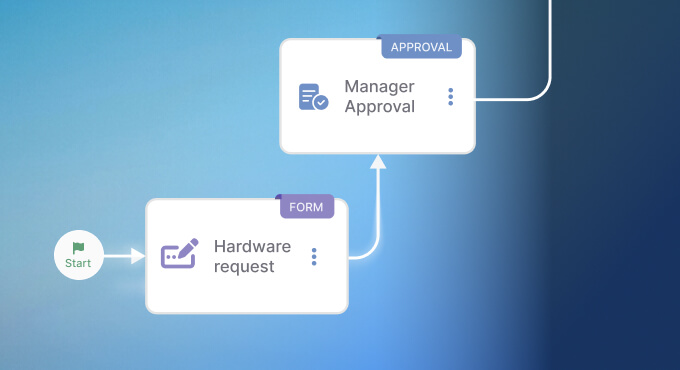
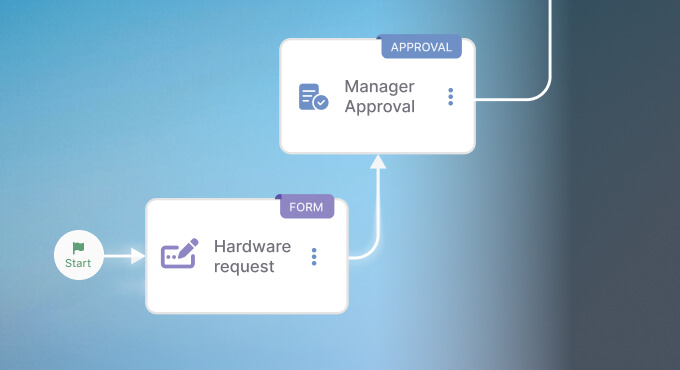
A service catalog structures how employees request services — and when it's built correctly, it does things a generic ticket form can't: route requests automatically, trigger multi-level approvals, enforce SLAs by request type, and surface the right options through a self-service portal.
The way it's designed determines how much work your ITSM platform can automate and how easily other departments can use it.
When comparing ITSM platforms where you're expecting to build a service catalog, look for these capabilities:
The platforms below represent a short list of options where the service catalog functions as a core module, not a premium unlock. Each was evaluated based on the same criteria.
Methodology note: Platforms were selected based on service catalog native and included in entry or mid-tier plans, configurable without mandatory professional services, support for approval flows and automated routing, extensibility beyond IT (ESM). This article is produced by InvGate, which competes with the vendors listed. Comparisons are based on publicly verified information.
InvGate Service Management is a no-code ITSM/ESM platform that lets IT teams build and run their service desk without relying on developers or professional services. From ticketing and workflows to a fully operational service catalog, everything is configurable directly by the IT team, with AI capabilities built in across the platform rather than bolted on as an add-on.
Key features — Service catalog
Start a 30-day free trial with full access to the platform, so you can test the service catalog and everything else before deciding.
Freshservice is a cloud-native ITSM platform from Freshworks, widely used by mid-market IT teams. It covers core ITIL modules and includes ESM capabilities for IT, HR, Finance, and Facilities under the same platform.
Key features — Service Catalog
Pricing: The service catalog is included starting from the Growth plan ($49/agent/month, annual billing), which also adds asset management. The Starter plan ($19/agent/month) covers basic ticketing and a self-service portal but does not include the service catalog.
- Checked on June 2026 (US) official website.
Jira Service Management (JSM) is Atlassian's ITSM platform, built on the Jira foundation. It's a strong fit for organizations already running Jira Software and Confluence, particularly engineering-adjacent IT teams. JSM's catalog configuration and overall setup might carry a steeper learning curve and deeper ITSM maturity (change, problem management) is a Premium-only feature.
Key features — Service Catalog
Pricing: The service catalog is available from the Standard plan (~$20/agent/month), which also includes CMDB and Assets. AI features, advanced incident management, and 24/7 support require the Premium tier (~$47–$53/agent/month).
- Checked on: June 2026 (US), official web.
ServiceNow is the market-leading enterprise service management platform, built on the Now Platform and used by many of the world's largest organizations to run IT, HR, Customer Service, and Security Operations from a single system of record. It's designed for scale and depth rather than speed to value — best suited to large enterprises with dedicated ITSM administrators, a defined implementation team, and the budget to support a longer rollout.
Key features — Service Catalog
Pricing: Not published — requires a custom quote based on organization size and modules needed.
ManageEngine ServiceDesk Plus is part of Zoho Corporation's enterprise IT management portfolio. It supports both cloud and on-premise deployment, and its broader stack extends to endpoint management, CMDB, and identity — giving organizations already running ManageEngine tools a strong integration path.
Key features — Service Catalog
Pricing: The service catalog is available at the Enterprise edition (~$67/technician/month, cloud, annual billing). The Standard edition ($13/technician/month) covers Incident Management and the self-service portal, but not the catalog. The Professional edition ($27/technician/month) adds Asset Management, but still not the catalog. Some modules like CMDB and Change Management are add-ons at $1,595/year each, even at Enterprise.
- Checked on: June 2026 (US), official website.
SolarWinds Service Desk is a cloud-based ITSM platform with tight integration into SolarWinds' monitoring and network infrastructure tools. It's a strong fit for IT teams managing both service delivery and infrastructure observability from the same vendor.
Key features — Service Catalog
Pricing: Essentials starts at $39/technician/month, Advanced at $79/technician/month (adds AI-driven automation and virtual agent capabilities), and Premier at $99/technician/month.
- Checked on: June 2026 (US), official website.
Disclaimer: All product names, logos, and brands are property of their respective owners. All company, product, and service names used on this site are for identification purposes only. Use of these names, trademarks, and brands does not imply endorsement. Comparisons are based on publicly available information as of July, 2026 and are provided for informational purposes only.
Many help desk platforms include a service catalog, but they don't all support the same level of service management. Before making a shortlist, take a look at how your organization currently handles requests. The answers can help you identify which ITIL capabilities deserve more attention during your evaluation.
The more statements that describe your environment, the more value you'll get from an ITSM platform where the service catalog is tightly connected to workflow automation, asset management, reporting, and the rest of your ITIL processes.
What ITSM software has the best service catalog? There's no single answer — the best service catalog is the one that's functional in the tier you're actually using, configurable without professional services, and connected to approval workflows and SLAs. InvGate Service Management includes a native catalog across all tiers with no-code configuration and ESM scope out of the box. Freshservice and SolarWinds Service Desk are strong mid-market options. ServiceNow leads at enterprise scale but requires dedicated administration.
Is a service catalog included in all ITSM platforms? No. Several platforms gate the service catalog behind higher tiers or position it as an add-on. Freshservice includes it from Growth (not Starter). ManageEngine ServiceDesk Plus includes the full catalog at Enterprise tier — Standard and Professional do not. Evaluating catalog availability by tier is a critical step before shortlisting.
What is the difference between a service catalog and a service portal in ITSM? A service portal is the front-end interface where end users submit requests. A service catalog is the structured back-end that defines what services are available, their approval flows, routing logic, and SLA assignments. A portal without a catalog is essentially a form. A catalog without a usable portal has no adoption. Both need to work together for service request management to function properly.


