Insurance IT teams operate in a different risk environment than most industries. A system outage affecting a claims platform is not just a service disruption — it can trigger regulatory reporting obligations, create audit findings, or expose the organization to examination risk if the change that caused it lacks documentation. Regulators from the NAIC to European Solvency II frameworks expect evidence: change logs, approval records, SLA reports. The ITSM platform sitting behind those workflows is either generating that evidence automatically or leaving IT teams to produce it manually under pressure.
This list focuses on platforms that can handle those constraints. The vendors below were evaluated based on publicly available documentation, published pricing where available, and reviews verified on Gartner Peer Insights, G2, and Capterra. InvGate Service Management appears first because this is an InvGate publication, but the evaluation criteria and section structure are consistent across all vendors. The goal is to give insurance IT teams enough signal to shortlist with confidence.
Key takeaways
- Insurance IT teams operate under stricter constraints than most industries: a missed SLA or untracked change can trigger a regulatory finding, not just a service complaint.
- The right ITSM platform for an insurance company must support audit-ready change documentation, flexible deployment (cloud, on-premise, or hybrid), and SLA governance out of the box.
- General-purpose ITSM tools can work — but they need to be configured for compliance-first workflows, not just adapted from a retail or tech context.
- Choosing the wrong platform means months of implementation before a single compliant workflow is live — evaluation criteria matter as much as the vendor list.
ITSM requirements for insurance IT teams
In most industries, a service outage is a productivity problem. In insurance, it can be a regulatory event. If a policy management system goes down during business hours and the incident management process lacks proper classification, escalation documentation, or resolution records, that gap may surface in the next examination — not as a performance note, but as a control deficiency.
The documentation burden extends to change management. Regulators across frameworks like SOX, PCI-DSS, NAIC model regulations, and Solvency II (for organizations operating in European markets) expect evidence that every change to a production system went through a defined risk assessment, received appropriate approvals, and was tracked from initiation to post-implementation review. The ITSM platform is the system of record for that evidence. If it cannot produce a clean change history on demand, the organization has a governance gap regardless of how well IT actually operates.
Data residency adds another constraint. Insurers operating across jurisdictions — the Americas, Europe, the Caribbean — frequently face regulations that restrict where certain data can be processed or stored. That makes deployment model a hard criterion during platform selection, not a preference. Cloud-only platforms may be straightforward to eliminate before a proof of concept even begins.
Finally, the technology environment in insurance tends to be complex by default. Claims platforms, policy management systems, CRM tools, and actuarial systems often span multiple generations of technology. The ITSM platform needs to function as a reliable triage hub for that environment — without requiring custom integrations for every connection point, and without breaking when a legacy system fails to respond as expected. For organizations with similar requirements in adjacent sectors, the dynamics are comparable to what we cover in our post on ITSM for financial services and insurance.
Best ITSM software for insurance companies
The platforms below represent options that insurance IT teams evaluate most commonly when replacing or consolidating ITSM environments. Each profile covers the key capabilities, deployment flexibility, notable limitations, and fit. No vendor is highlighted or differentiated through formatting — the structure is identical across all five.
InvGate Service Management
A no-code ITSM platform built for teams that need to consolidate workflows and produce audit-ready documentation without a multi-year implementation. Strong fit for insurers consolidating after a merger or replacing a vendor-dependent legacy tool.
Key features for insurance:
- Certified by PeopleCert in 15 ITIL 4 practices, including Incident, Problem, Change Enablement, Knowledge, and Service Level Management.
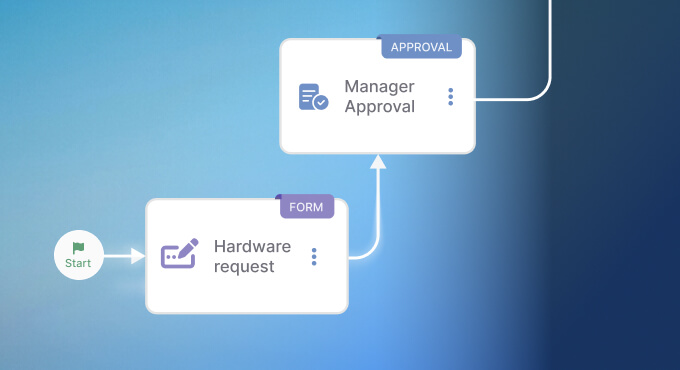
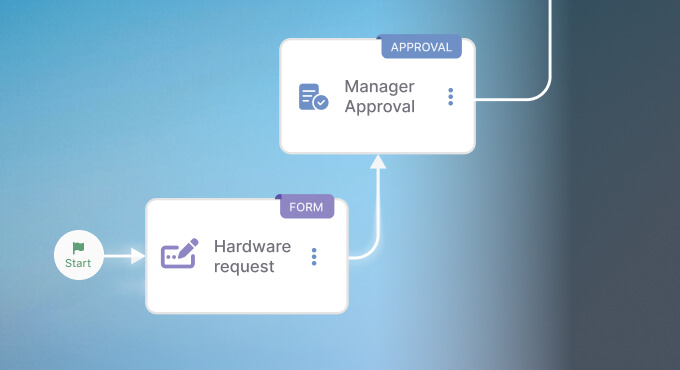
- Change management with multi-stage approvals, AI-assisted risk evaluation, and a full record of who approved what change on which system — no manual documentation.
- Cloud (SaaS) and on-premise with feature parity, covering data-residency requirements that can block cloud-only tools in procurement.
- ESM layer extends the same service catalog to Claims, Legal, HR, and Compliance with no extra licenses or separate implementation.
- 4.9/5 rating and 94% willingness-to-recommend on Gartner Peer Insights (as of May 2025); named a 2025 Gartner® Peer Insights™ Customers' Choice for ITSM Platforms.
- Proven in the sector: Allshores, a global insurance and financial services group based in Bermuda, built a standardized, fully traceable change process in a few months — work that took 18 months on the previous platform.
Pricing:
- Starter: 24.98/agent/month billed annually and 5 agents minimum - $1499/year.
- Pro: $500/agent/year. 5-50 agents.
- Enterprise: Custom pricing for larger organizations.
You can also request a free trial, so you can try the platform before committing to a plan.
Best for: mid-market and enterprise insurers that need compliance-ready ITSM without enterprise-platform implementation complexity.
BMC Helix
A cloud-native enterprise ITSM platform aimed at large organizations with dedicated ITSM teams and complex, multi-geography environments.
Key features for insurance:
- Incident, problem, change, asset, and knowledge management
- GRC-adjacent capabilities: audit-trail documentation, role-based access controls, structured change records
- PinkVerify certified across 18 ITIL practices
- Cloud, on-premise, and hybrid deployment
- Frequently evaluated by finance and healthcare organizations needing documented audit trails and governance controls
- Limitations: implementation needs specialist resources; total cost of ownership is at the high end of the market
Pricing: Custom quote (varies by deployment model, modules, and size). Not publicly listed.
Best for: large insurers with a dedicated ITSM team, existing BMC infrastructure, and enterprise-scale compliance needs.
Freshservice
A cloud-native, ITIL-aligned platform from Freshworks with a clean interface and fast onboarding.
Key features for insurance:
- Solid core ITSM with quick deployment
- Limitation: change management and problem management require the Pro plan or above — not available at the entry price point
- Limitation: cloud-only, with no on-premise option, which can disqualify it for insurers with data-residency restrictions
Pricing: From $19/agent/month (Starter, billed annually). - Checked on June 2026 (US) official website.
Best for: cloud-first insurance mid-market teams that prioritize fast deployment over deep change-management controls.
HaloITSM
An ITIL-aligned platform with documented insurance-sector experience (the vendor maintains a dedicated insurance-use-case page).
Key features for insurance:
- SLA management and escalation workflows
- High configurability for the custom approval chains regulated environments need
- Documented insurance experience
- Limitation: less presence in major analyst reports than some alternatives here
Pricing: Not publicly listed — confirm with the vendor.
Best for: mid-size insurers wanting documented insurance experience plus high configuration flexibility.
ManageEngine ServiceDesk Plus
An ITIL-aligned platform that combines ITSM with native asset management and CMDB.
Key features for insurance:
- IT service management plus native asset tracking and CMDB
- Cloud and on-premise deployment, covering data-residency requirements
- Transparent, published pricing
- Note: full change management, problem management, and CMDB require the Enterprise edition — evaluate that as the realistic baseline, not the Standard entry price
- Note: configuration depth means meaningful setup time for teams new to ManageEngine
Pricing: From $13/technician/month (Standard, cloud); Enterprise at $67/technician/month. - Checked on: June 2026 (US), official website.
Best for: regional insurers and mid-market teams needing ITSM plus native asset tracking, on-premise options, and transparent pricing.
How to choose the right ITSM for your insurance company
The evaluation process for insurance IT differs from a standard ITSM selection because compliance requirements create hard constraints, not just preferences. A platform that cannot produce a clean audit trail or run on-premise is not a suboptimal choice — it may be a non-starter.
Map your compliance requirements first. Identify which frameworks apply to the business — SOX, PCI-DSS, NAIC model regulations, Solvency II for European operations — and what kind of evidence the auditor expects. Change logs, approval records, and SLA reports are the most commonly requested. Build that list before opening any vendor demo.
Confirm deployment model compatibility. Ask every vendor directly whether their on-premise offering has feature parity with the cloud version. Some platforms offer on-premise in name but lag significantly in functionality or update cycles. For insurers with data residency restrictions, this is a gate, not a preference.
Run a pilot with a real compliance workflow. Before committing, run a 2-4 week pilot using an actual change against a critical system — a claims platform update, a policy management deployment. Verify that the audit trail generated is sufficient for your internal auditor to sign off on. If it requires manual supplementation, the workflow needs reconfiguration.
Evaluate ESM readiness. Ask whether the platform can extend the service catalog to Claims, Legal, Compliance, and HR without a separate implementation project. In regulated environments, IT incidents increasingly involve non-IT stakeholders. A platform that requires new licensing or a second implementation to support those teams adds friction at exactly the point where speed matters.
To compare top ITSM platforms across a broader vendor set before finalizing your shortlist, our dedicated comparison covers the major options with consistent criteria.
FAQs
What is the best ITSM software for insurance companies? There is no single answer: it depends on the size of the organization, the required deployment model, and which regulatory frameworks apply. InvGate Service Management, BMC Helix, Freshservice, HaloITSM, and ManageEngine ServiceDesk Plus are all platforms that insurance IT teams evaluate, each with different strengths and tradeoffs across compliance depth, deployment flexibility, and implementation complexity.
Does ITSM software help with insurance regulatory compliance? ITSM software does not certify compliance with any framework, but it provides the documentation infrastructure that auditors review: audit trails of changes, approval records, and SLA evidence. Whether that documentation satisfies the examiner depends on how the workflows are configured. A platform with robust change management and traceable approvals gets you closer to audit-ready, but the configuration work is still required.
Do insurance companies need on-premise ITSM? Not all of them, but many do. For insurers with data residency requirements tied to national or regional regulations, on-premise or hybrid deployment may be a procurement requirement rather than a preference. This should be confirmed at the beginning of the evaluation process, before shortlisting vendors. Cloud-only platforms may be ineligible regardless of their functional merits.
What ITSM features matter most for insurance IT teams? Audit trail for change management, multi-tier SLA management, no-code configurability for adapting workflows without vendor dependency, and ESM capability to extend the service catalog to Claims, Legal, and Compliance. Deployment flexibility — cloud, on-premise, or hybrid — rounds out the critical criteria for most regulated environments.