











If you work in IT, especially in public sector organizations, universities, or healthcare institutions, you have likely run into the name GLPI as a Service Management software option. The tool is one of the most well-known open-source solutions in the world, having gained a strong foothold in these sectors where tight budgets and the need for free options heavily influence the decision.
But what exactly does GLPI offer and how does it work in practice to meet team demands? In this article, we will explore its native features, the limitations that arise as your Service Management grows, and what to evaluate to find the ideal software for your company's current stage.
Created in France in 2003, GLPI® (Gestionnaire Libre de Parc Informatique, or Free IT Equipment Manager) is an open-source platform initially developed to fill a gap in local computer and server administration. With the advancement of IT workflows, the software evolved from a simple hardware inventory into a centralized service desk tool, incorporating features aligned with IT Service Management (ITSM) best practices.
To get the platform up and running, a company must provide its own web server, configure the network infrastructure, and manage data security independently. Currently, the software's commercial ecosystem is divided into two distinct fronts: the community version, which is completely free for download and local installation, and the network version, which offers paid subscription plans with managed cloud hosting and direct technical support from the manufacturer.
This combination of a free base version and customization flexibility is one of the reasons why GLPI became so popular in environments with limited resources but with technical teams capable of configuring and maintaining the tool internally.
The software is structured into independent modules that connect to cover the daily operational demands of a support department. The main native features of the platform include:
A key differentiator of GLPI is its ecosystem of community-developed plugins and add-ons, which allows expanding the tool's native features for more specific needs.
Several strengths explain why GLPI remains so relevant:
For technical teams with the capacity to configure, customize, and maintain the tool internally, GLPI can be an efficient gateway to ITSM practices.
Why companies look for GLPI alternatives
Despite its strengths, it is natural that as an organization's needs evolve, some of GLPI's limitations become more evident:
It is necessary to understand if the platform will keep pace with the growth and maturity of the IT operation over time. Certain criteria help filter the options and lead to a more strategic decision:
When companies realize that the effort to maintain an open-source platform has outweighed the financial benefits, the market offers modern options in a SaaS (software as a service) format. Check out five consolidated alternatives:
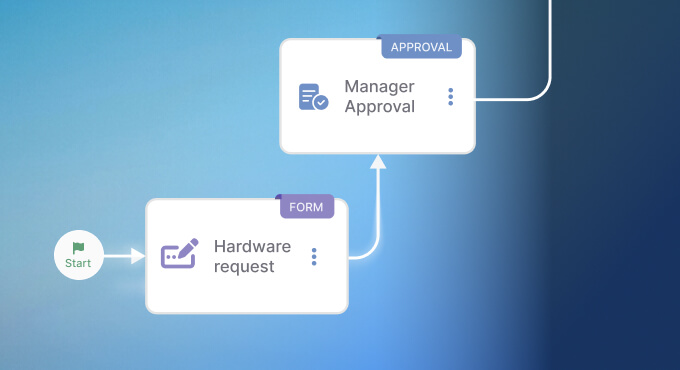
InvGate Service Management: stands out for its no-code interface, allowing the visual structuring of complex workflows without programming. The AI Hub is its native artificial intelligence layer that optimizes the support routine through features such as: a virtual service agent integrated with Microsoft Teams, WhatsApp, and the self-service portal, automatic history summaries, response suggestions, solution recommendations, and intelligent ticket routing.
ServiceNow: a robust platform focused on corporate operations management and governance workflows from an enterprise perspective. The software comes integrated with Now Assist, its generative artificial intelligence ecosystem that automates conversational flows for users, assists developers with code generation, and creates automatic case resolution summaries.
Freshservice: a cloud tool designed to accelerate the maturity of IT processes, such as Problem Management and Asset Management. The solution utilizes Freddy AI artificial intelligence, which operates both as virtual agents to respond to employees autonomously and by providing predictive insights for managers to anticipate bottlenecks in operations.
Jira Service Management: a solution designed to unify IT support teams with engineering and development teams within the same agile ecosystem. The platform features Atlassian Intelligence, an AI resource that acts as a virtual agent in chat channels, helps technicians rewrite and adjust the tone of their communications, and enables advanced searches using natural language.
Zendesk: although heavily focused on external customer relationships, the platform serves the internal service desk by centralizing omnichannel communication. The system comes equipped with Zendesk AI, artificial intelligence that performs automatic intent detection and user sentiment analysis, in addition to proactively suggesting solutions from the knowledge base.
GLPI efficiently fulfills the role of lifting an IT operation out of initial chaos and spreadsheets when a company lacks capital for software investment but has technical professionals with free time to configure the server. However, the invisible cost associated with maintenance, the lack of usability, and the absence of technological innovations such as artificial intelligence make the platform a long-term growth limiter.
Migrating to a modern solution represents the transition from a purely reactive, maintenance-focused IT model to a strategic posture of generating business value. By removing the technical complexity of managing the tool itself, your team gains the freedom needed to focus on what truly matters: service excellence and the digital transformation of the company.
If you are looking for a new ITSM software, request a 30-day free trial (no credit card required) of InvGate Service Management or contact our Sales team to discover the best approach for your business scenario.


