









Are you looking for a SysAid alternative to manage IT services and support more effectively? SysAid is a well-known IT Service Management (ITSM) platform, but it isn't the only option for organizations that need to manage requests, assets, and support operations.
Depending on your priorities — deployment flexibility, integrations, AI, or specialized features — another tool may fit better. This guide covers what SysAid offers, where it falls short, and eight alternatives that stand out in different areas of ITSM, with current pricing, AI capabilities, and reviews for each.
TL;DR
SysAid is a cloud-based ITSM platform with solid reporting and a customer-centric support model, but it doesn't suit every team. The alternatives below differ in deployment options, AI, pricing, and integration depth.
Here are 8 top options to consider(click any tool to jump down for details):
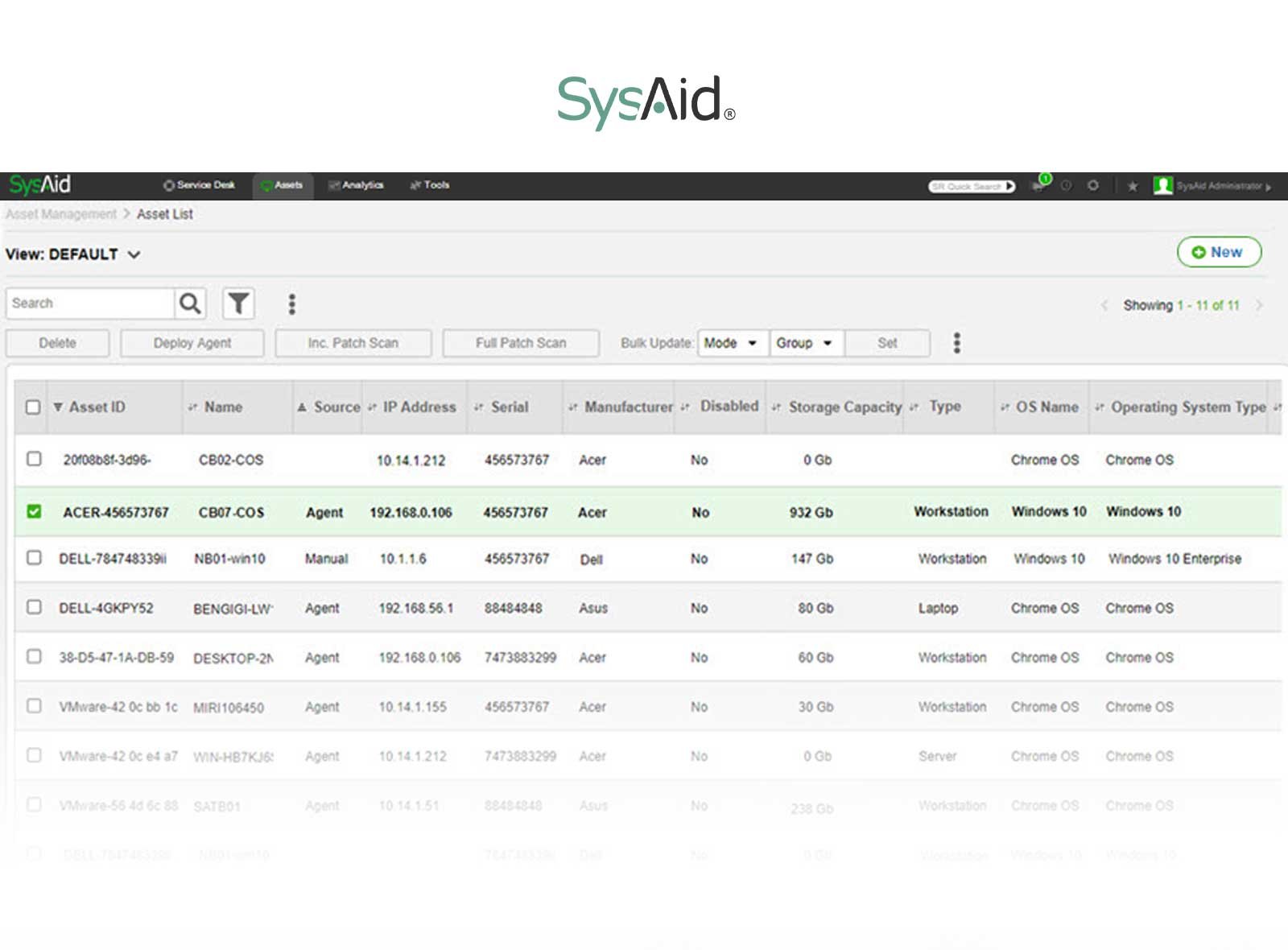
SysAid IT Service Management is a cloud-based platform from SysAid Technologies Ltd., an ITSM company headquartered in Toronto and founded in 2002. It targets mid-market to enterprise teams that need integrated asset and service workflows, with an emphasis on automation, user experience, and reporting. SysAid also markets a generative-AI assistant, SysAid Copilot, across its service desk. Teams weighing it against other enterprise suites often compare it with ManageEngine's service desk as well.
Disadvantages of SysAid:
User reviews on G2, Gartner Peer Insights, and Capterra highlight several potential drawbacks:
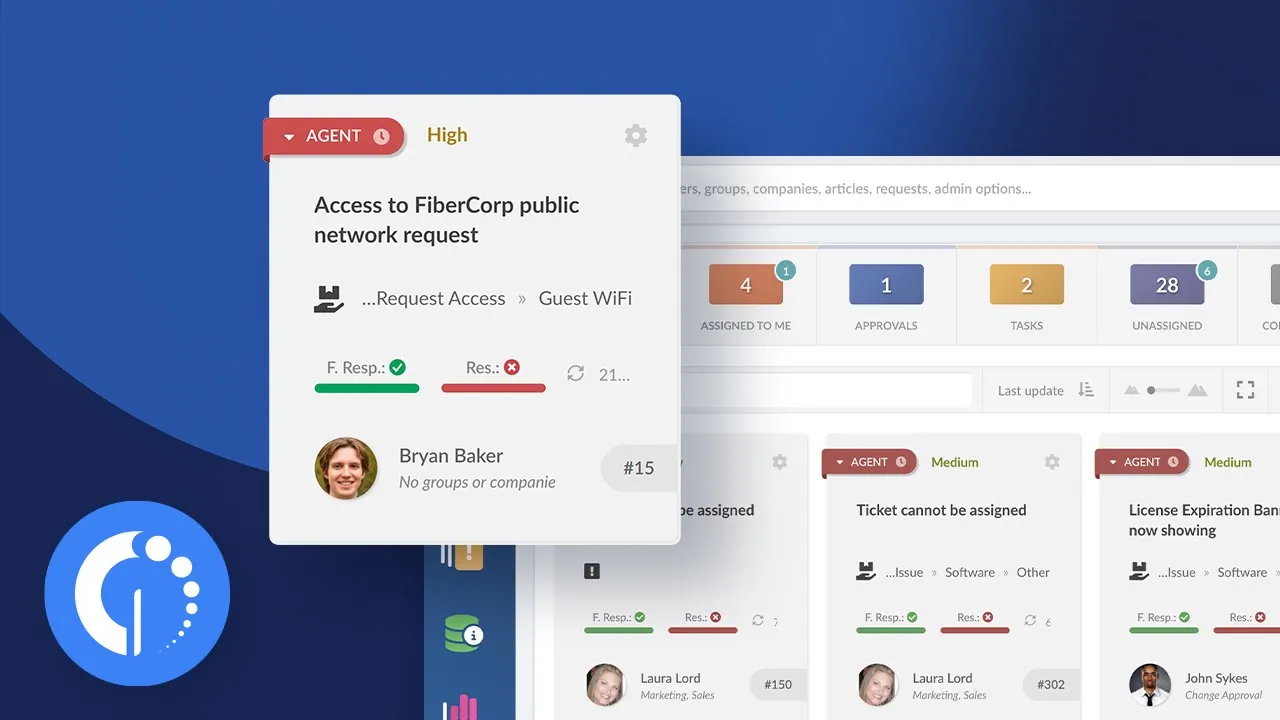
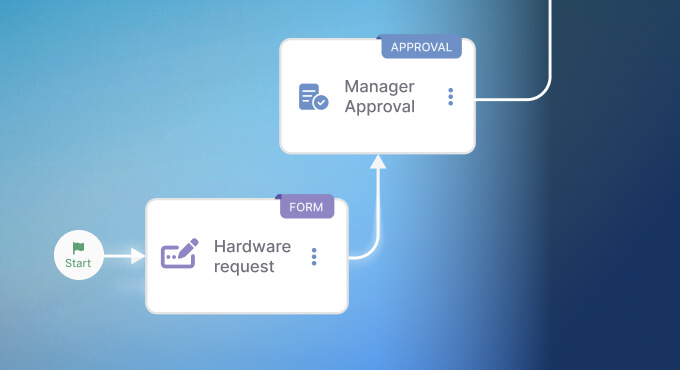
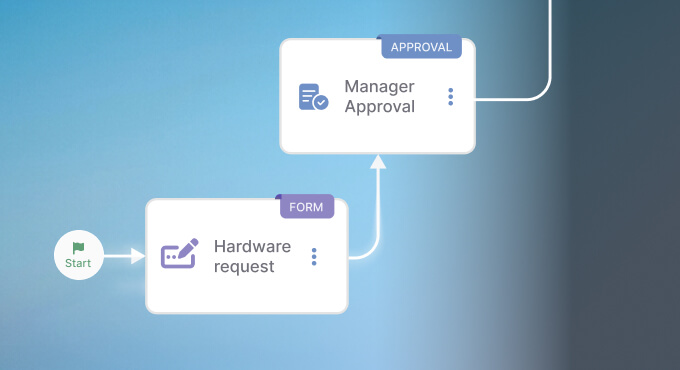
InvGate Service Management is a Service Management platform with workflow automation, SLA management, multi-department service cataloging — without the cost, the long implementation timelines, or the standing dependency on certified partners to make routine changes.
Teams moving off SysAid tend to point to two things: no-code configuration that doesn't require developers, and the ability to extend service desks to HR, facilities, and other departments without buying extra agent licenses. Global customers include KPMG, NASA, PwC, and Allianz.
Features:
Pricing: InvGate offers flexible pricing plans that scale to meet the unique needs of your organization.
A free trial is available before you commit.
Reviews: InvGate scores consistently well on major review sites, with reviewers calling out its ease of deployment, use, and outstanding support.
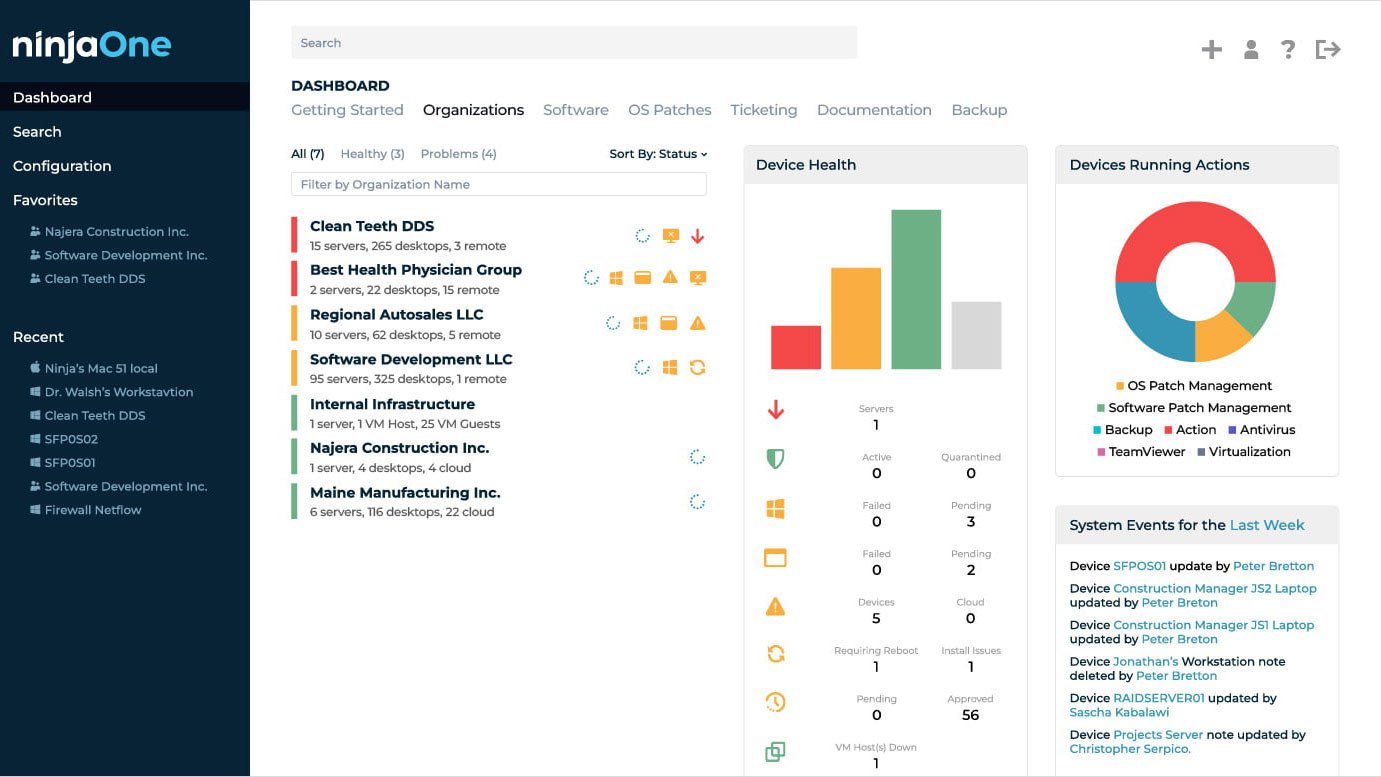
NinjaOne focuses on endpoint management, patching, remote control, and automation for IT operations. It has help desk capabilities built in, with ticketing and incident management that lets teams accept, prioritize, route, and respond to tickets. Its ticketing module is lighter than a dedicated ITSM system, but the unified mix of help desk, patching, backup, and endpoint management suits many SMBs and MSPs looking for an all-in-one platform.
Features:
Pros: strong endpoint visibility and fast onboarding.
Cons: not a full ITSM stack — it doesn't replace a dedicated Service Management platform for process-heavy teams.
Pricing: per-endpoint pricing with volume tiers — see the official pricing page.
Reviews:
ServiceNow® ITSM is an enterprise cloud platform for incident, change, asset, and service catalogue management, built to scale across complex organizations. It's strong for advanced workflows, integrations, and enterprise reporting, and teams often adopt it when they need a single system of record for broad IT operations. For a side-by-side look at how the two platforms differ, see how SysAid stacks up against ServiceNow.
Features:
Pros: scales to large enterprises, with deep integration and ecosystem support.
Cons: cost and implementation complexity are common concerns, and teams report a significant learning curve.
Pricing: tailored quotes; enterprise deals frequently run into the tens or hundreds of thousands of dollars per year depending on scope — see the official pricing page.
Reviews:
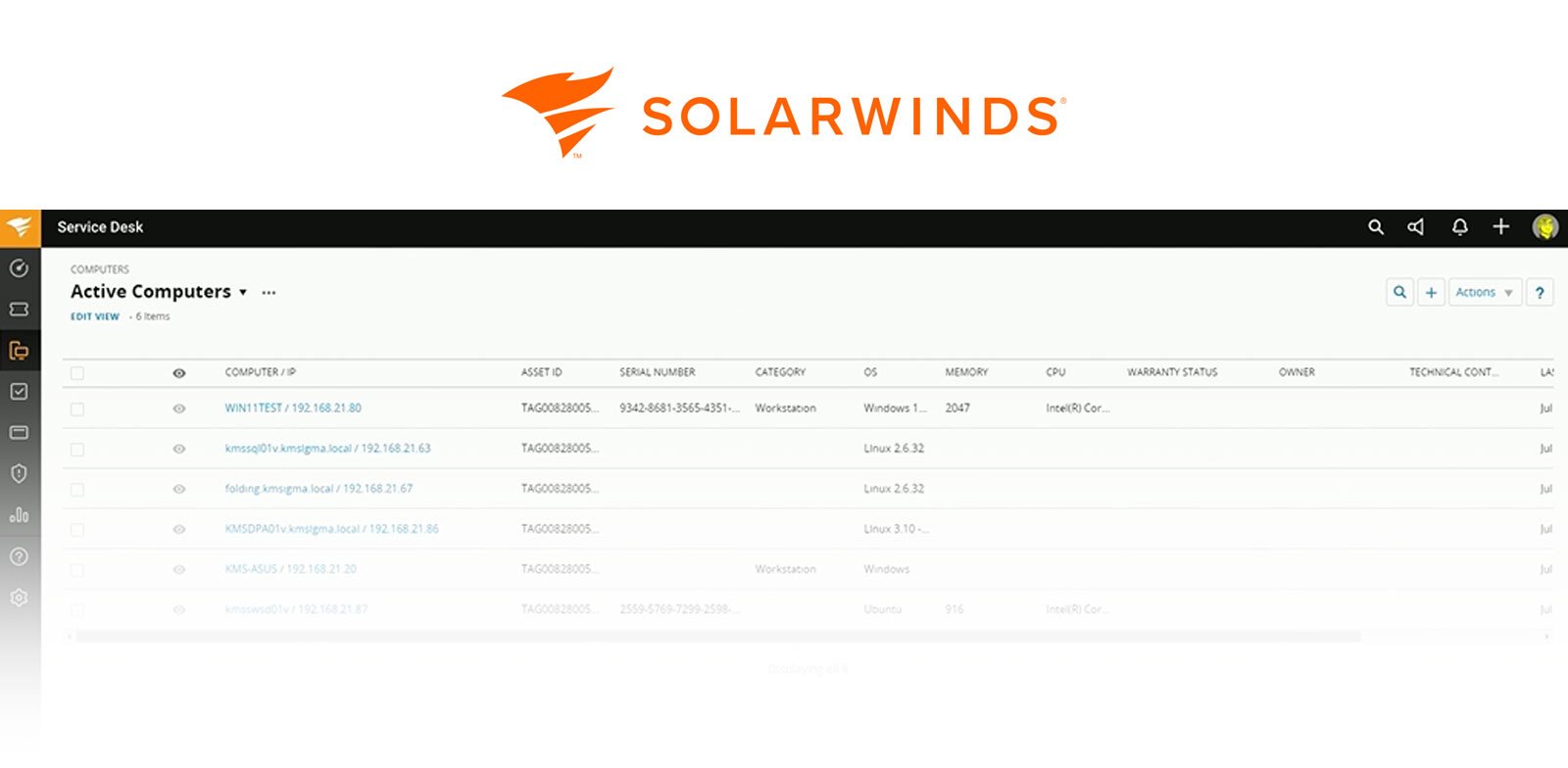
SolarWinds Service Desk bundles ticketing, asset management, automation, and a service portal, with tiered per-technician pricing that can suit growing ops teams. It's often chosen by teams that already use other SolarWinds products and want tight integration with network monitoring.
Features:
Pros: fast setup, good support options, and straightforward per-technician pricing.
Cons: some reviewers want more advanced automation or more granular pricing for assets.
Pricing: tiered per-technician plans — see the official pricing page.
Reviews:
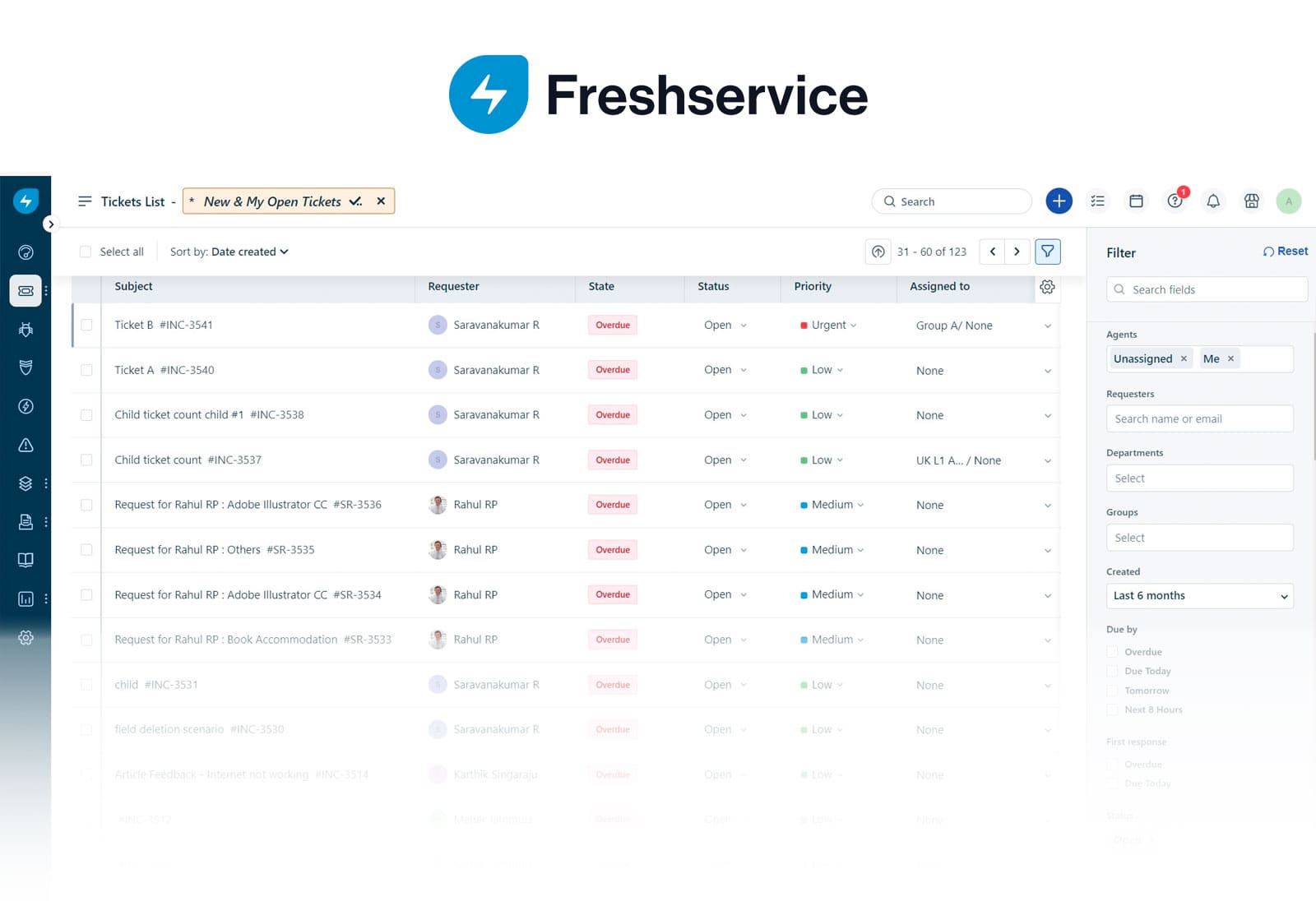
Freshservice is a cloud-first ITSM from Freshworks focused on ease of use, automation, and packaged ITIL features suited to mid-sized teams. It offers agents, asset management, and built-in automations, and many teams choose it for fast onboarding.
Features:
Pros: friendly UI and quick setup; well suited to small and mid-market teams.
Cons: advanced reporting and customization can feel restrictive for heavy-process organizations.
Pricing: published per-agent tiers starting at the entry level, with higher tiers for more features — see the official pricing page.
Reviews:
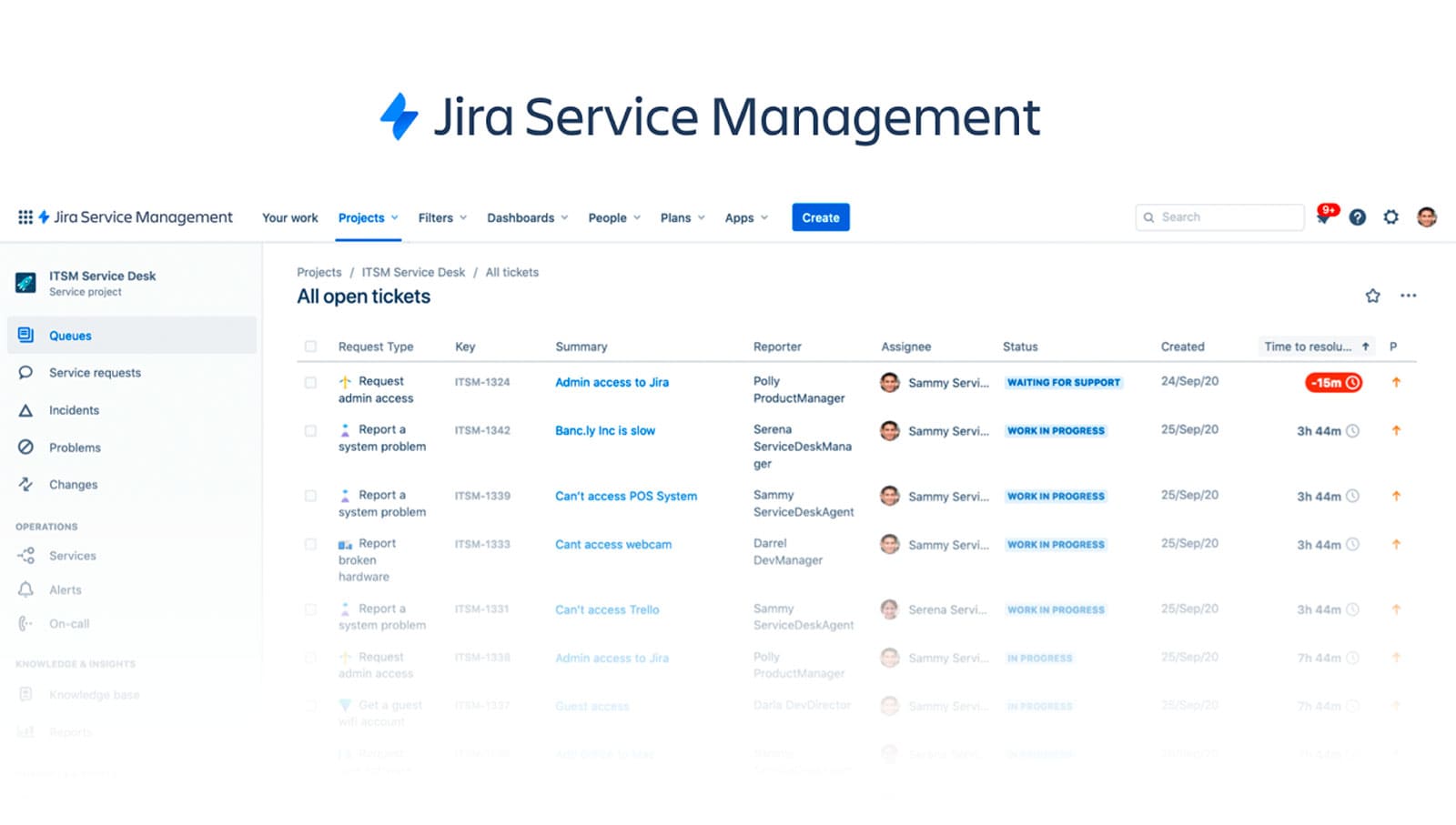
Jira Service Management is Atlassian's ITSM offering, integrating tightly with Jira Software and Confluence for development-facing service workflows. It's commonly chosen where DevOps collaboration and ticket linking to engineering work are priorities.
Features:
Pros: excellent integration for engineering workflows and scalable automation.
Cons: can get complex for non-technical teams and may require add-ons (Confluence, Marketplace apps) for parity with full ITSM suites.
Pricing: the Standard plan starts at about $20–$25 per agent/month billed annually, with per-agent cost dropping at volume; higher tiers include Premium and Enterprise, and there's a free tier for small teams — see the official pricing page.
Reviews:
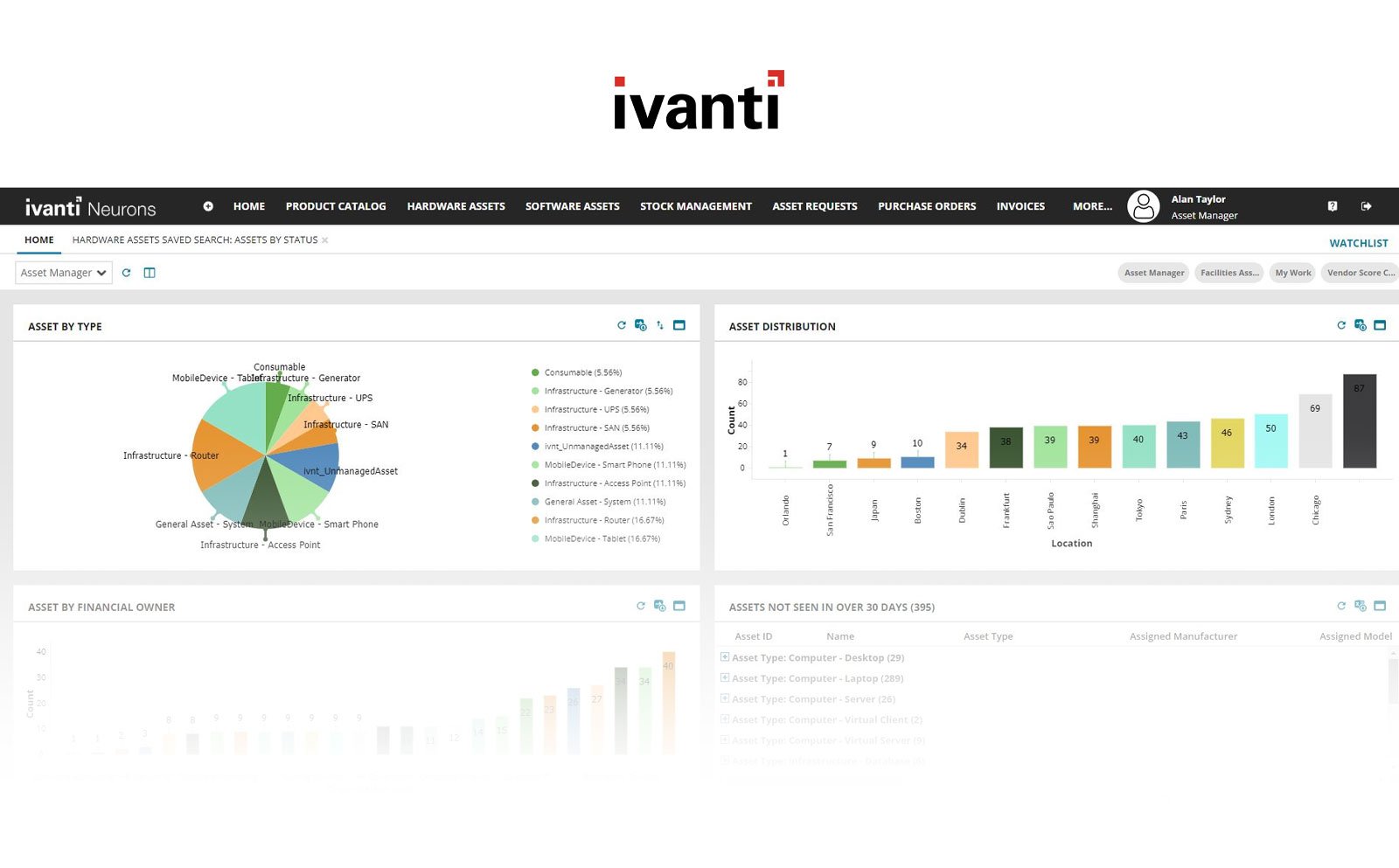
Ivanti Neurons is an endpoint-centric platform with self-healing, discovery, and automation, plus an ITSM module (Ivanti for ITSM). It's often used where endpoint security and automated remediation are priorities and teams want tight UEM/ITSM integration.
Features:
Pros: strong endpoint automation and consolidated discovery tools.
Cons: reviewers note the UI can feel dated, and some ITSM capabilities require configuration or professional services to reach parity with newer tools.
Pricing: modular, quote-based pricing that depends on which Neurons modules (ITSM, UEM, patching) and deployment model you select — see the product page.
Reviews:
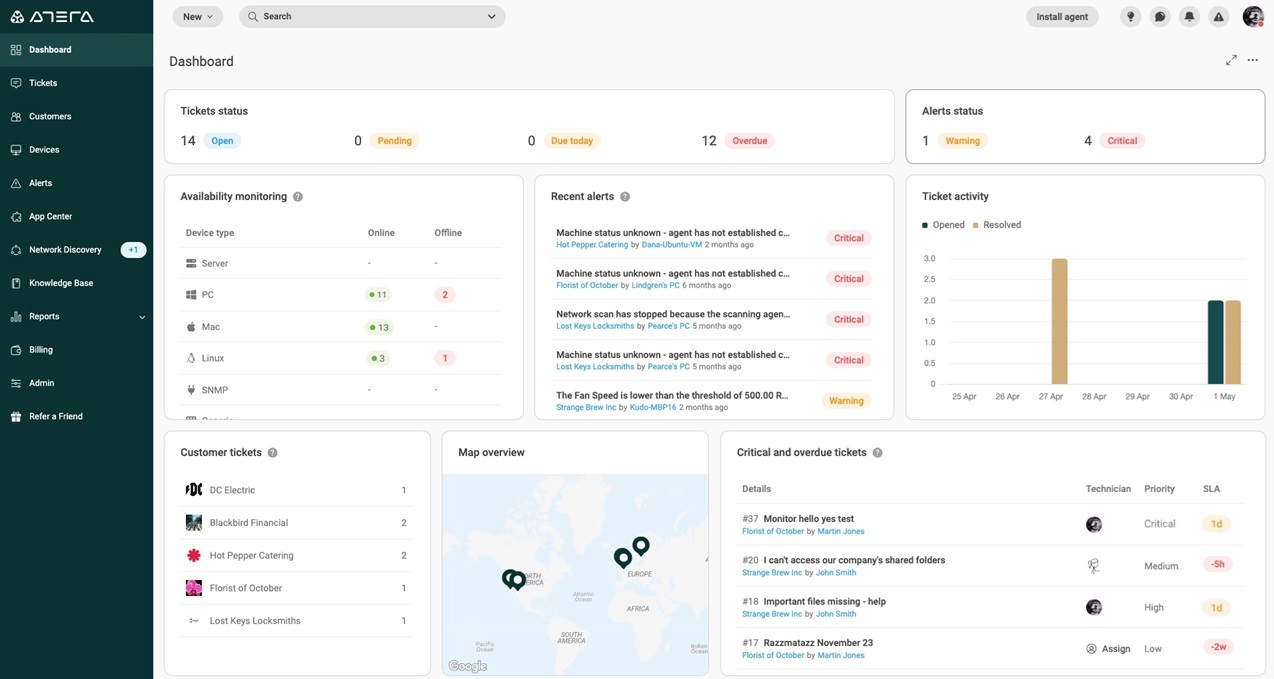
Atera is an all-in-one RMM+PSA platform billed per technician rather than per device. It combines remote monitoring, ticketing, patching, and billing in one package and is popular with MSPs and small IT teams because of the pricing model.
Features:
Pros: predictable per-technician pricing and fast time to value; strong support for MSP workflows.
Cons: less feature depth than heavyweight enterprise ITSM suites.
Pricing: per-technician plans with unlimited endpoints — see the official pricing page.
Reviews:
For teams leaving SysAid, InvGate Service Management covers the same ground with faster setup and no-code configuration. Start a 30-day free trial, or talk to our team to work through your requirements.
Disclaimer: All product names, logos, and brands are property of their respective owners. All company, product, and service names used on this site are for identification purposes only. Use of these names, trademarks, and brands does not imply endorsement. Comparisons are based on publicly available information and are provided for informational purposes only. ServiceNow is a registered trademark of ServiceNow, Inc. InvGate is not affiliated with, sponsored by, or endorsed by ServiceNow.


