










InvGate has been recognized in the 2026 Gartner Market Guide for Hardware Asset Management Tools as a Representative Vendor. Notably, this marks the second consecutive year that InvGate has been included in this research, which, in our view, reflects the consistency and maturity of our approach to Hardware Asset Management (HAM), as supported by InvGate Asset Management.
This recognition reflects InvGate's continued commitment to helping organizations bring clarity, control, and structure to their hardware environments. As Hardware Asset Management expands beyond traditional device tracking into lifecycle visibility, risk reduction, and operational intelligence, solutions must evolve to meet growing expectations around automation, usability, and integration.
In this post, we'll explore what this recognition means, why Gartner Market Guides matter, and how InvGate Asset Management supports modern Hardware Asset Management strategies.

Gartner Market Guides are research documents designed to help organizations understand a market segment, including common capabilities, key trends, and representative vendors. Unlike Gartner Magic Quadrants, Market Guides do not rank or compare vendors. Instead, they provide a structured view of the market and outline the types of capabilities organizations may want to evaluate.
Based on the inclusion criteria described in the 2026 research, we believe InvGate meets the criteria Gartner used for Representative Vendors in the Market Guide for Hardware Asset Management Tools.
The Gartner Market Guide for Hardware Asset Management Tools offers a structured perspective on the HAM market, outlining the capabilities and patterns organizations should evaluate when selecting a solution. Rather than ranking vendors, the guide discusses expectations, functional requirements, and the challenges driving Hardware Asset Management initiatives.
In the February 2026 edition, Gartner positions HAM as an increasing executive priority, exploring persistent issues such as fragmented asset data, unreliable inventories, governance gaps, and growing audit pressure. The research covers how these challenges affect visibility, lifecycle control, Risk Management, and financial planning.
The guide also reflects the expanding scope of Hardware Asset Management. Modern HAM tools are expected to support not only traditional IT devices, but also facilities assets, line-of-business technologies, Internet of Things (IoT) devices, and hardware distributed across hybrid environments.
Inclusion in the Market Guide is based on vendor capabilities aligned with core market requirements and common enterprise needs. According to Gartner's 2026 research, Representative Vendors typically demonstrate:
1. A published API to aggregate and exchange asset data.
2. Discovery capabilities, either built-in or via integration.
3. Integration with Endpoint Management or related systems.
4. External reporting flexibility.
These criteria reflect Gartner's emphasis on interoperability, data reliability, and lifecycle governance, key themes in the 2026 report. HAM tools are increasingly evaluated on their ability to act as a trusted single source of truth across distributed and complex hardware environments.
Recognition in Gartner's Market Guide for Hardware Asset Management Tools signals alignment with the capabilities and market expectations shaping modern HAM strategies. Gartner's research is widely used by technology and infrastructure leaders to evaluate vendors, validate decisions, and understand how markets are evolving.
For organizations evaluating HAM solutions, Gartner recognition can provide additional context during the vendor evaluation process. It indicates that the vendor participates meaningfully in the market and addresses common enterprise requirements such as asset visibility, lifecycle governance, interoperability, and reporting.
For InvGate, this second consecutive inclusion reflects, in our view, the consistency of our approach to Hardware Asset Management and the continued evolution of InvGate Asset Management as a platform designed for complex, distributed environments.

InvGate Asset Management is a powerful solution designed to meet all the requirements of a robust Hardware Asset Management strategy. Equipped with the features you need to streamline processes, enhance visibility, and scale with your organization, it’s the ideal choice for managing your hardware assets.
Here’s what makes InvGate Asset Management stand out as your HAM tool:
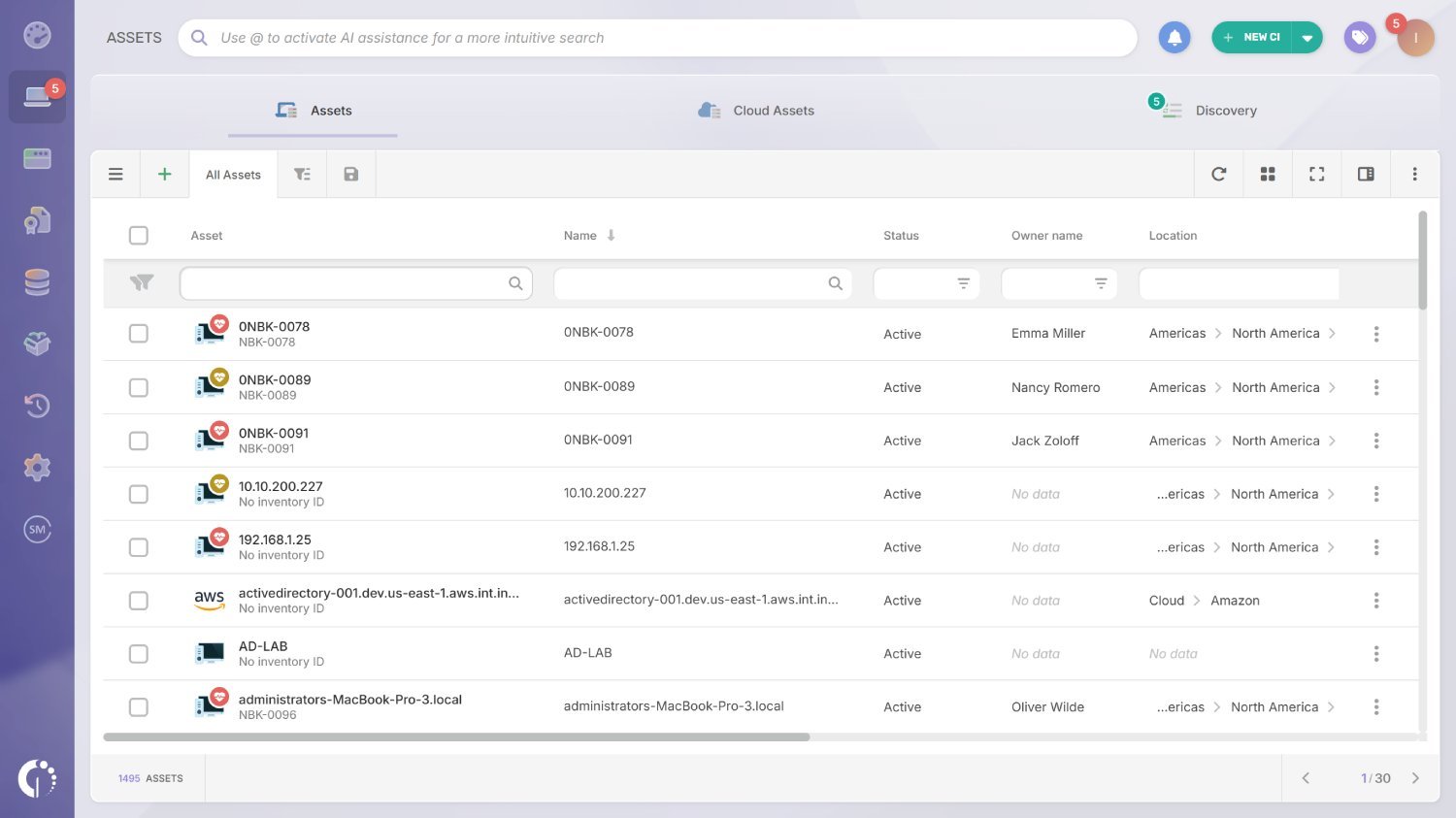 InvGate Asset Management helps organizations build a reliable hardware repository by consolidating data from multiple sources. Its combination of agent-based, agentless, and cloud discovery mechanisms supports continuous visibility while reducing data fragmentation, one of the core challenges highlighted by Gartner.
This unified approach strengthens data accuracy and enables the platform to function as a trusted single source of truth across distributed environments.
Hardware Asset Management is fundamentally a lifecycle discipline, and InvGate Asset Management embeds lifecycle visibility directly into asset records. Organizations can track ownership, status changes, depreciation, warranties, and operational states without relying on disconnected processes.
This supports consistent governance from procurement to retirement, aligning with Gartner’s emphasis on formalized HAM lifecycle processes.
InvGate Asset Management exposes a REST API designed to support automation, data exchange, and integration across the ITAM ecosystem. The API enables organizations to ingest, update, and synchronize asset information, reinforcing the platform’s role as a centralized repository for hardware intelligence.
For proper technical evaluation, teams should validate aspects such as authentication mechanisms, rate limits, audit logging, and endpoint coverage based on their intended lifecycle and governance workflows.
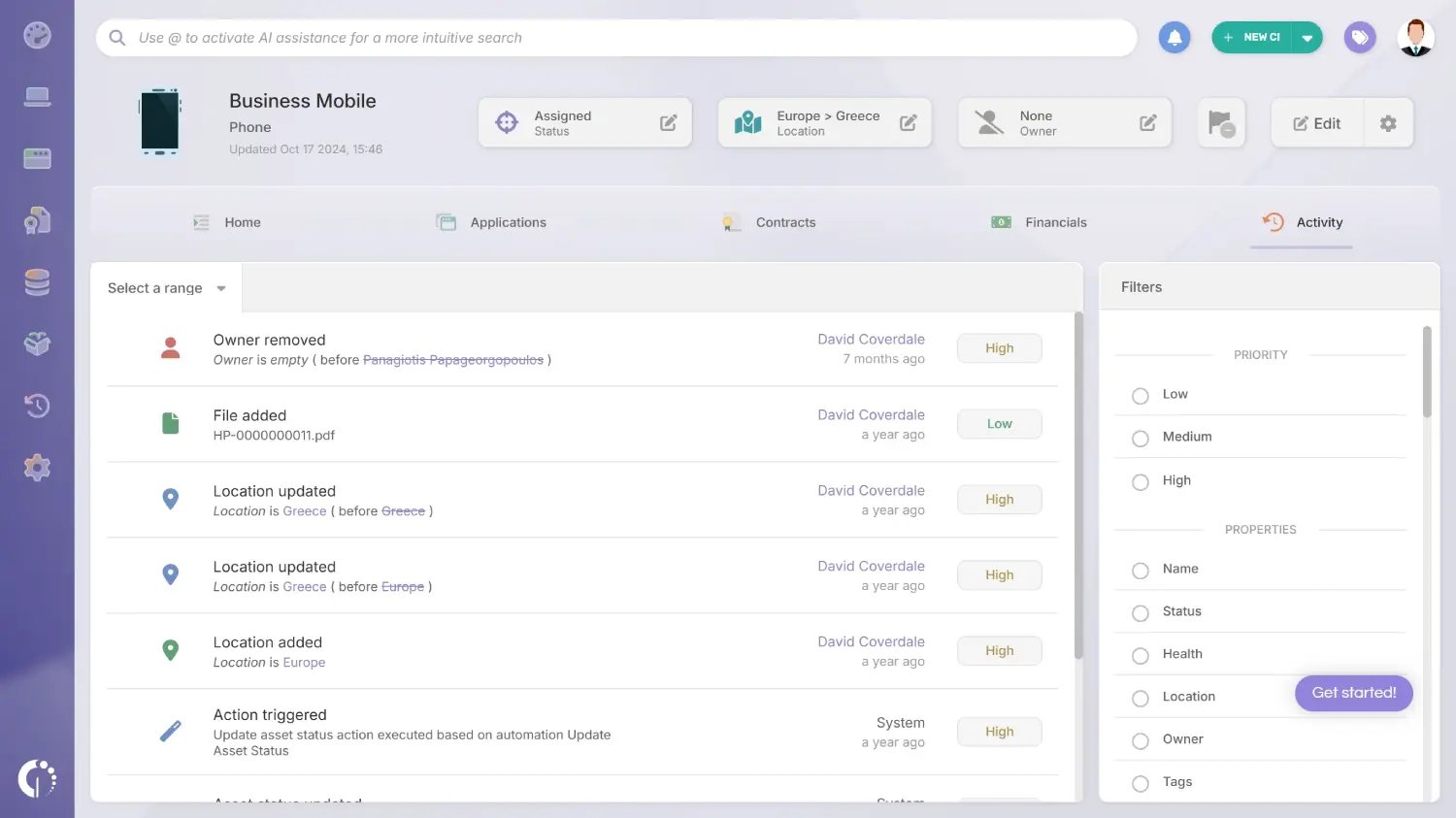
InvGate Asset Management provides native chain of custody tracking, allowing organizations to reconstruct asset history, movements, assignments, and operational events. This directly supports audit scenarios, compliance validation, and operational accountability.
Given Gartner’s focus on audit challenges and governance gaps, this capability is particularly relevant.
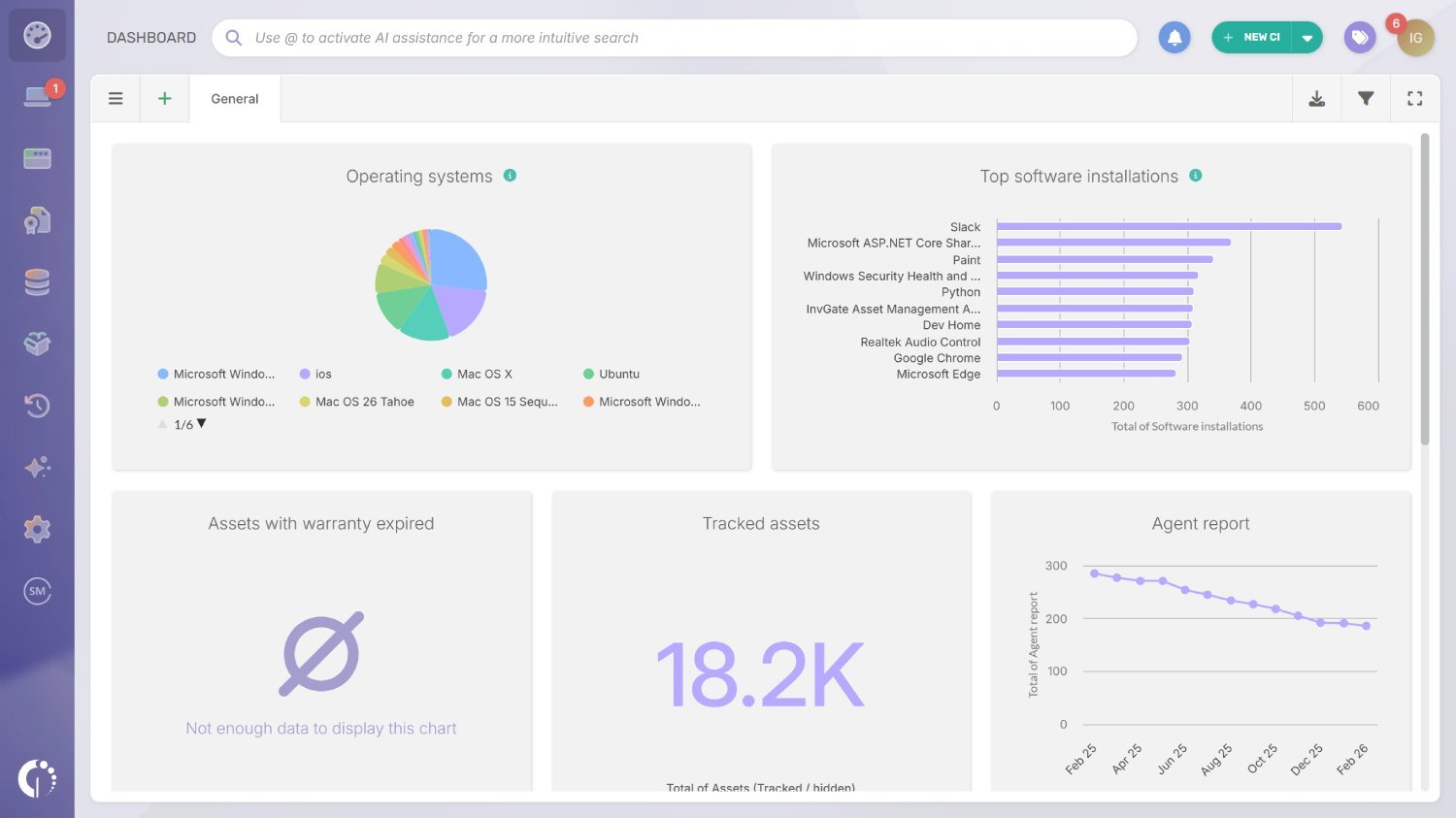 Beyond Inventory Management, InvGate Asset Management enables organizations to answer business-critical questions about hardware assets through dashboards, reporting, and analytics. Teams can analyze lifecycle status, risk exposure, asset health, and financial indicators from a centralized dataset.
This aligns with Gartner’s framing of HAM tools as systems designed to drive decision-making, not just record keeping.
Gartner’s February 2026 Market Guide for Hardware Asset Management Tools highlights a clear shift in how organizations approach Hardware Asset Management. The research emphasizes that HAM is increasingly driven by governance requirements, data reliability, lifecycle control, and risk reduction, reflecting the growing complexity of modern hardware environments and the operational consequences of fragmented or inaccurate asset data.
InvGate Asset Management is designed to address these challenges by providing unified discovery, lifecycle governance, API-driven integration, and full asset traceability within a centralized platform. As a Representative Vendor recognized for the second consecutive year, InvGate continues to support organizations seeking greater visibility and control over their hardware estates.
Start your free 30-day trial and explore how InvGate Asset Management supports modern Hardware Asset Management practices.
Gartner, Market Guide for Hardware Asset Management Tools, Tim Zimmerman, Jen Lichucki, Ankita Hundal, Todd Larivee: February 16, 2026
GARTNER is a registered trademark and service mark of Gartner and Market Guide is a registered trademark of Gartner, Inc. and/or its affiliates in the U.S. and internationally and are used herein with permission. All rights reserved.
Gartner does not endorse any company, vendor, product or service depicted in its publications, and does not advise technology users to select only those vendors with the highest ratings or other designation. Gartner publications consist of the opinions of Gartner’s business and technology insights organization and should not be construed as statements of fact. Gartner disclaims all warranties, expressed or implied, with respect to this publication, including any warranties of merchantability or fitness for a particular purpose.


