










Octadesk is an omnichannel customer service platform widely recognized in the Latin American market, now part of the Locaweb group. Its focus is on centralizing sales, post-sale, and customer support channels, with a strong presence on WhatsApp and its own AI layer. For sales and CX teams, that proposition works well.
But when the IT operation needs traceable Incident, Problem, and Change Management, structured internal SLAs, and integration with Asset Management, Octadesk starts to fall short, not because of a quality limitation, but because of product focus. That gap is what pushes IT teams to look for alternatives.
Octadesk was built for external customer service: sales, post-sale, and support through digital channels. When the IT team's needs go beyond that scope, friction starts to show up. The most common migration triggers are:
Before switching tools, it's worth assessing criteria specific to IT operations, not just generic software-selection criteria:
Methodology: the tools on this list were evaluated based on ITSM/help desk capabilities, publicly available pricing models, verified reviews (exclusively from Gartner Peer Insights, where available), and each platform's stated focus. InvGate Service Management appears first because it's the product of this content's author and because of its differentiated ITSM focus; InvGate develops and sells ITSM and ITAM solutions and competes directly with some of the vendors on this list. Every vendor receives the same space and the same analysis structure.
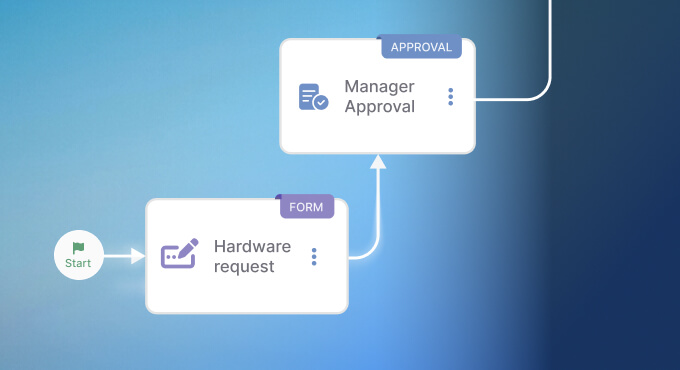
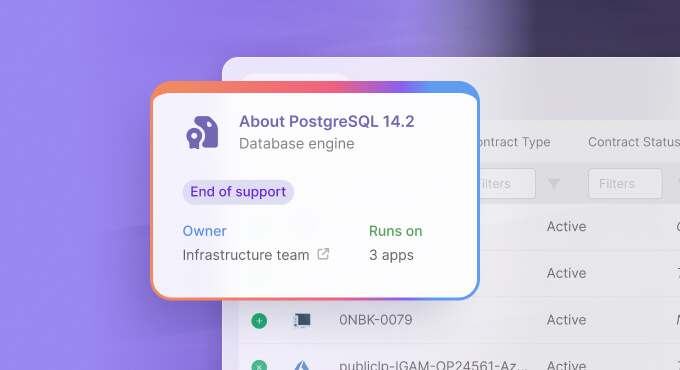
InvGate Service Management is a no-code ITSM and ESM platform, certified in 15 ITIL practices and available as SaaS or on-premise. Its interface lets you configure flows, forms, and automations without relying on development work. The AI Hub offers ticket summarization, response suggestions, and knowledge article generation. Native integration with InvGate Asset Management lets you link tickets to assets. It's a fit for IT teams that need structured ITSM, process governance, and room to expand into ESM.
InvGate Service Management Pricing: InvGate offers flexible licensing models based on agent count or the volume of managed assets, adapting to each company's needs. Start a 30-day free trial to see the platform in action, or talk to the Sales team to find the right plan for your company.
Movidesk, now part of Zenvia Customer Cloud, is a cloud-based customer service and help desk platform focused on centralizing channels like email, chat, and WhatsApp, with CX-oriented SLAs and more than 75 management indicators. It includes generative AI features for sentiment analysis and reply suggestions. It's a solid choice for customer support teams, with weaker adherence to formal ITIL practices.
Movidesk Pricing: pricing is quote-based; exact rates are confirmed directly with the sales team, and no fixed public rate card is published. (Verified August 2026, on the official site)
Milvus is a Latin American help desk and IT management platform focused on MSPs and IT departments. It includes ticketing, Asset Management, and endpoint monitoring modules. It has native integration with the official WhatsApp Business API and generative AI features for automation. It's a fit for mid-size IT teams and MSPs that need help desk and Asset Management in a single system.
Milvus Pricing: the platform is organized into three plan tiers (Talk, for digital service; Ticket, for corporate help desk; and IT, for full service management), with final rates confirmed with a sales consultant during a product demo. (Verified August 2026, on the official site)
TomTicket is a Latin American ticketing system focused on simplicity, accessible for small teams. It includes ticketing, online chat, and WhatsApp support. It's a good entry point for teams moving away from spreadsheets or email, though with less depth for advanced ITSM. It's a fit for small teams that need a simple, affordable ticketing system.
TomTicket Pricing: the platform offers two paid tiers, Premium and Enterprise, both with unlimited tickets and customers, billed annually per agent; annual plans can have customized commercial terms through a sales consultant. (Verified August 2026, on the official site)
Zendesk is a global CX and support platform, with broad channel coverage and an integrations marketplace. It has an ITSM module (Zendesk for IT), but its primary focus is CX. That can mean a high cost for internal IT operations that don't need the CX layer. It's a fit for companies with large-scale customer support operations and budget for an enterprise CX platform.
Zendesk Pricing: four annual plans: Support Team ($19/agent/month), Suite Team ($55), Suite Professional ($115), and Suite Enterprise + Copilot (custom quote). (Verified August 2026, on the official site)
Freshdesk is Freshworks' help desk product, popular for its fast adoption curve and free plan. Its focus is CX and customer support. For structured ITSM, the relevant Freshworks offering is Freshservice, a separate product. It's a fit for customer support teams looking for an affordable entry point with good UX.
Freshdesk Pricing: the platform offers three paid, annually billed plans: Growth, to launch AI-powered service over email, at $19/agent/month; Pro, to scale AI-powered service across the business, at $55/agent/month; and Enterprise, with full access to AI and helpdesk features, at $89/agent/month. (Verified August 2026, on the official site)
Zoho Desk is Zoho's customer support platform, with a strong price-to-value ratio and native integration with the Zoho ecosystem (CRM, Analytics, and others). Its focus is CX and multichannel support. It includes Zia AI for automatically generated replies. It's a fit for companies already using the Zoho ecosystem that want native CRM integration.
Zoho Desk Pricing: the platform offers four annually billed plans: Express, with the essentials for small businesses, at $7/user/month; Standard, with instant messaging and generative AI, at $12/user/month; Professional, with telephony and Blueprints, at $20/user/month; and Enterprise, with AI agents and the Zia assistant, at $35/user/month. (Verified August 2026, on the official site)
Jira Service Management is Atlassian's ITSM platform, with strong integration into the Jira software development ecosystem. It's a good fit for teams already working in Jira Software. Configuration complexity and the per-agent pricing model can be barriers for IT teams outside the Atlassian ecosystem. It's a fit for IT teams already embedded in that ecosystem.
Jira Service Management Pricing: free for up to 3 agents; Standard from $20/agent/month; Premium from approximately $51.42/agent/month; Enterprise on request. (Verified August 2026, on the official site)
GLPI is an open-source ITSM and Asset Management solution, with a large user base across the public sector, higher education, and enterprises in Latin America and beyond. It has no license cost, but requires its own infrastructure and technical configuration. Maintenance and customization depend on an in-house team or a partner. It's a fit for organizations with a tight budget, an internal technical team, and tolerance for a steeper setup curve.
GLPI Pricing: the software itself is free and open source. Teclib', the project's maintainer, offers optional commercial plans under the GLPI Network brand, with cloud hosting from €19/agent/month (Public Cloud) or €21/agent/month (Private Cloud, 25-agent minimum), plus on-premise plans with support from €100/month (up to 10 agents). These paid plans include technical support, exclusive plugins, automatic backups, and an SLA; those who opt for a self-hosted setup without a commercial contract remain license-free. (Verified August 2026, on the official site)
What is the best Octadesk alternative for IT teams?
It depends on the team's maturity level: for structured ITSM with ITIL, no-code automation, and Asset Management, InvGate Service Management is the closest fit. For omnichannel customer support, Zendesk and Freshdesk are established alternatives.
Does Octadesk work for internal ITSM?
Octadesk was built for omnichannel customer service, sales, and post-sale, not for the internal IT service desk. For Incident, Problem, and Change Management with ITIL practices, there are more suitable platforms.
Is there a free Octadesk alternative?
Yes, GLPI is an open-source solution with no license cost, widely used by IT teams. Freshdesk also offers a free plan, though limited to a small number of agents.
Which Octadesk alternative has a Gartner rating?
Among the options on this list, InvGate Service Management has the highest Gartner Peer Insights score, at 4.8/5. Zoho Desk, Zendesk, and Jira Service Management also have public ratings on the platform, in either the CX or ITSM market.
How do you migrate from Octadesk to another tool?
Before migrating, it's important to map existing service flows, historical ticket data, and active integrations. Platforms like InvGate Service Management offer Customer Success support to help with that transition.
Disclaimer: all product names, logos, and trademarks are the property of their respective owners. All company, product, and service names used on this site are for identification purposes only. Use of these names, trademarks, and brands does not imply endorsement. Comparisons are based on information publicly available as of August 2026 and are provided for informational purposes only.


